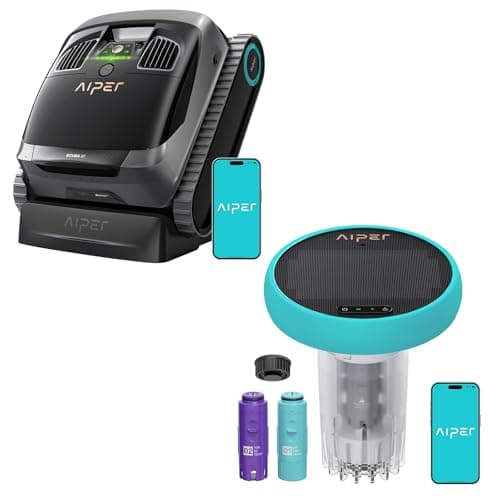
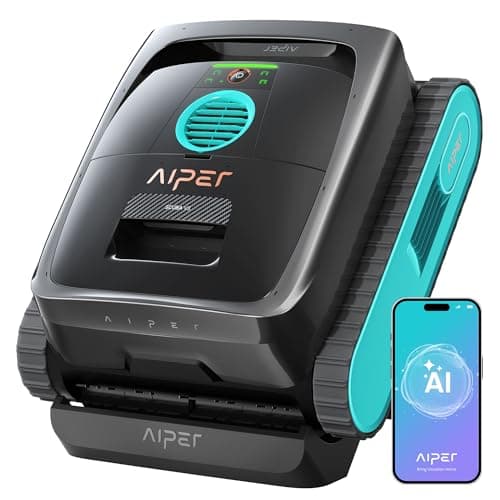
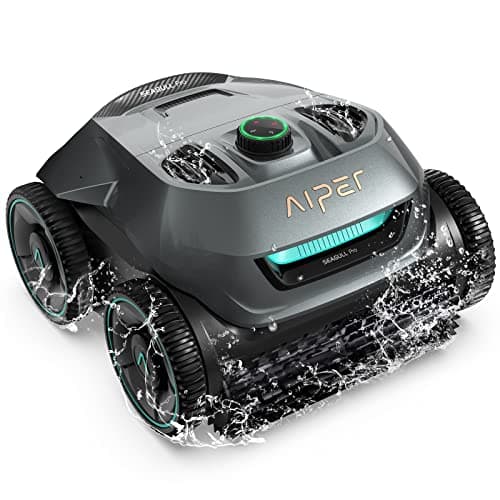
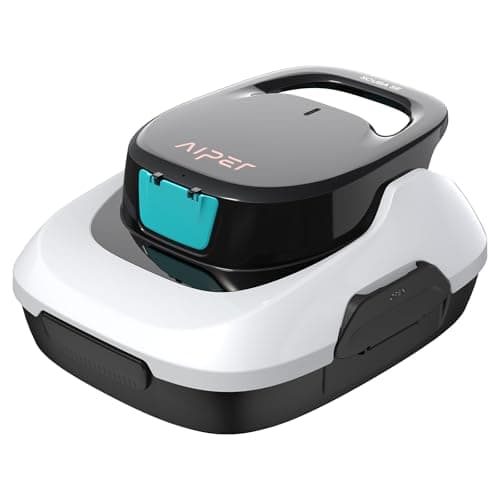
Every review on this site follows the same structure, and the structure is the point: it makes the machines comparable and it makes our reasoning checkable.
Every specification is attributed
The spec table on each review tags every row with where the figure came from: manufacturer, retailer listing, owner reports, or not published.
That last tag matters more than it looks. A surprising number of machines — including several flagships — do not publish a micron rating, a rated pool area, a runtime or a basket volume. Where that is true we say so rather than estimating, and for a buyer trying to compare on paper an unpublished figure should be treated as an unknown rather than as “probably fine”.
The score is arithmetic, not a verdict
Each machine gets five metric scores — debris capacity, surface coverage, filtration, runtime and coverage, and value for spec — and a weighted overall. All five are derived from the published figures by a rubric published in full.
That means you can disagree with us by checking our working, which is the point. It also means the score is not a test result and is never emitted as structured data — marking an editorial score up as a review rating would contradict our own copy.
Every review names who should skip it
This is the section the leading sites in this category do not publish at all, and it is the most useful one. The most expensive mistake available here is not buying a bad machine — it is buying a capable machine that is wrong for your pool.
A robot rated below your pool’s area never finishes a cycle. A 3-micron filter is a liability in a leaf-heavy pool. A wall climber is wasted on a soft-sided pool where the wall deflects. None of those is a defect, and none can be fixed by any setting.
What we do not do
We do not physically test pool cleaners. We do not own a test pool, and nothing on this site claims first-hand use. What we do instead is show where every number comes from, publish the scoring method, say plainly who each machine is wrong for, and refuse to print a figure we cannot source.
Where owner reports inform a point — battery life after three seasons, build quality, recurring faults — they are described as owner reports, with the number and nature of those reports where we can characterize it. Never as our own experience.
Prices are live, and dated
Every price on this site comes from the Amazon Creators API with the date it was checked shown beside it. If a price goes stale beyond 48 hours it disappears and the button reads “Check price on Amazon” instead — the failure mode is silence rather than a number we cannot stand behind.
Start somewhere narrower
If you are at the beginning of this, an index of individual reviews is the wrong entry point. Start from the problem instead: pick by debris, pick by pool type, size and surface, or use the selector. Reviews are for validating a machine you have already shortlisted.