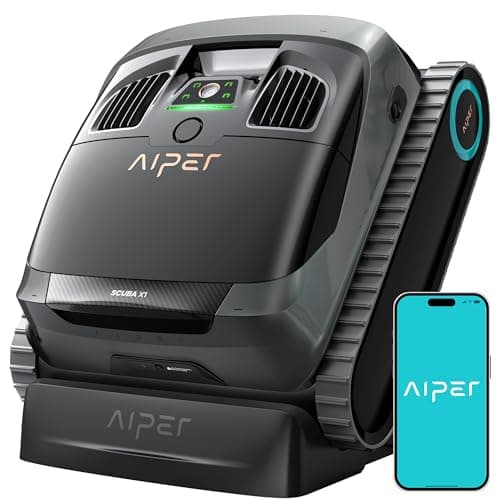
1. Robotic cleaners
A self-contained appliance with its own motor, pump and filter. Runs from a low-voltage transformer (corded) or a battery (cordless), with your pool pump switched off. Debris goes into its own basket; the water it moves gets filtered on the way through.
Suits: almost every pool, and the only type that cleans walls and waterline properly. Costs: $130-2,500 to buy, a few dollars a season in electricity, $20-100 a year in filters. Weakness: rigid debris like acorns jams the intake; cordless units are battery-limited.
How they work mechanically, and the master roundup.
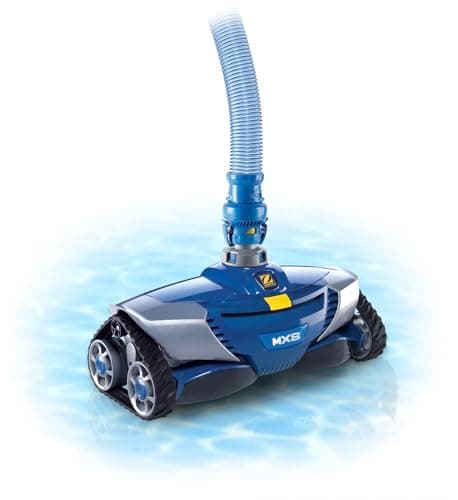
2. Suction-side cleaners
No motor of its own. Connects to your skimmer or a dedicated suction line and is driven entirely by the suction your pool pump produces. Everything it collects travels down the hose into your pump basket and filter.
Suits: pools with good pump flow, rough pebble and gunite surfaces where abrasion would destroy a robot’s brushes, and buyers prioritizing purchase price and longevity. Costs: $349-679 to buy, plus your pump running the whole time. Weakness: loads your filter, needs sustained flow, floor-and-cove only.
Robotic versus suction in full.
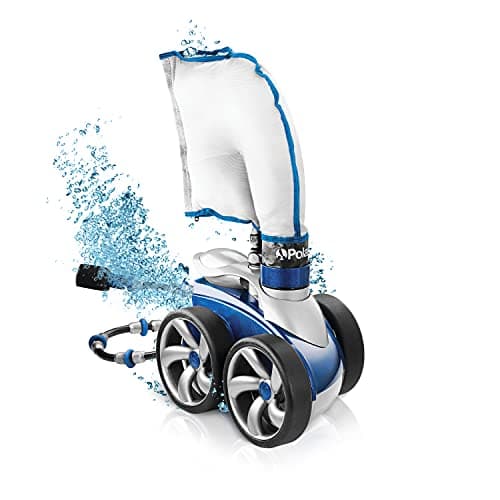
3. Pressure-side cleaners
Driven by water pressure on the return side, usually from a dedicated booster pump. Jets propel it and a venturi lifts debris into a zipped bag it carries, so nothing reaches your filter.
Suits: pools with large woody debris — acorns, pine cones, rigid twigs — that no robot will swallow, where a booster pump already exists. Costs: $599-844 plus a booster pump and its electricity. Weakness: does not filter water at all, needs a booster pump, no real wall or waterline cleaning.
Robotic versus pressure-side in full.
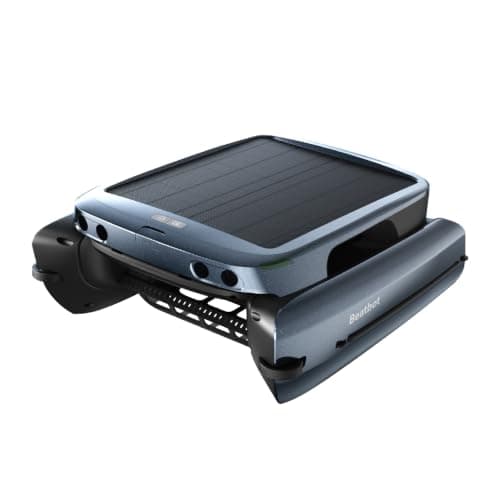
4. Surface skimmers
A floating solar-powered robot that works the water’s surface only, collecting debris into a basket before it sinks. Runs continuously at no cost.
Suits: every pool under tree cover, as a second machine. Costs: $359-430, nothing to run. Weakness: never touches your floor, walls or waterline. It is a complement, never a substitute.
The skimmer roundup.
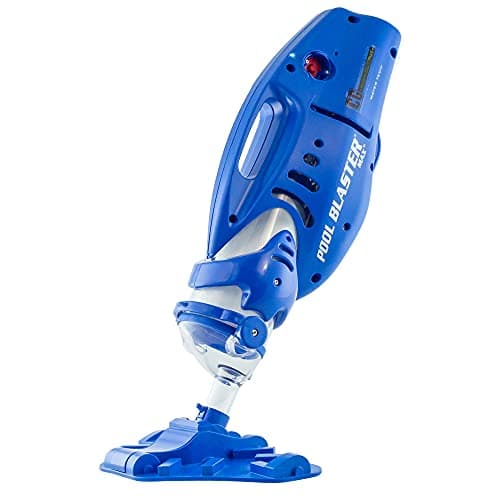
5. Manual and handheld vacuums
Either a vac head on a pole connected to your skimmer (pump-driven, debris to your filter), or a modern cordless hoseless handheld with its own motor and bag.
Suits: spas, plunge pools, steps, benches, and defined debris patches where precision beats automation. Costs: $25 for a vac head, $120-300 for a cordless handheld. Weakness: you are doing the work.
The handheld roundup, and robotic versus manual.
The comparison table
| Own motor | Filters water | Debris goes to | Needs pump running | Cleans walls |
|---|
| Robotic | Yes | Yes | Own basket | No | Many models |
| Suction | No | No | Your filter | Yes | Barely |
| Pressure-side | No | No | Own bag | Yes, plus booster | Barely |
| Surface skimmer | Yes (solar) | Surface only | Own basket | No | No |
| Manual / handheld | Sometimes | Sometimes | Own bag or your filter | Sometimes | If you do it |
Which to buy, in one line each
- Most pools: a robot. It is the only type that filters water and cleans walls.
- Rough pebble surface, tight budget, good pump: a suction cleaner.
- Acorns and pine cones, booster pump already installed: pressure-side.
- Under trees: a skimmer as well as a robot.
- Spa, hot tub or plunge pool: a cordless handheld, and nothing else.