Skip to content
Robot PoolCleaner Picks

The Best Pool Cleaners for Sand and Silt

This is the one debris type where the filter rating beats everything else on the box. A coarse basket does not remove sand — it stirs it, drives through it, and puts it back.

By Mike M. · Published November 6, 2026 · Last updated November 6, 2026

How this page is funded: we earn an Amazon commission on qualifying purchases made through links here, at no extra cost to you. It does not change which products we pick or the order we rank them in — here is the method and the full disclosure. Prices are live from Amazon, checked November 6, 2026.

For sand and silt, buy the finest published micron rating you can. The Aiper Scuba X1 Pro Max and Obsidian both publish 3-micron filtration; the WYBOT C2 publishes a 10-micron layer under $500. A 180-micron basket will not remove sand at all.

At a glance

Quick picks

Tap any row for the full write-up. Prices are live from Amazon, checked November 6, 2026.

#ProductBest forScorePrice
1
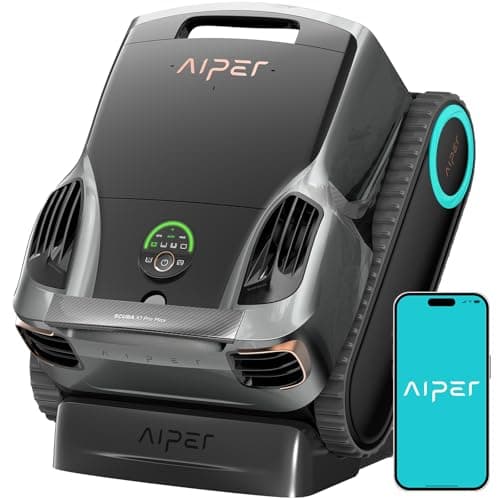
Aiper Scuba X1 Pro Max

Aiper Scuba X1 Pro Max

Aiper · 8,500 GPH

Best micron rating8.9out of 10
$1,599.99$2,199.99· View on Amazon

27% off. Price checked November 6, 2026. #ad How we earn

2
Aiper Obsidian

Aiper Obsidian

Aiper · 6,600 GPH

Best value at 3 micron8.9out of 10
$799.98$1,399.99· View on Amazon

43% off. Price checked November 6, 2026. #ad How we earn

3
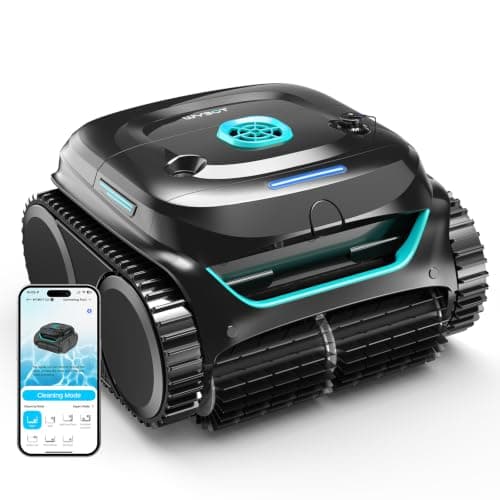
WYBOT C2

WYBOT C2

WYBOT · Dual filter: 10 micron and 180 micron

Best under $5007.8out of 10
$499.99· View on Amazon

Price checked November 6, 2026. #ad How we earn

4
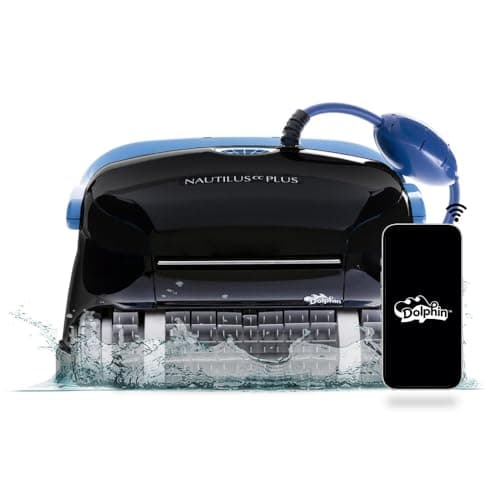
Dolphin Nautilus CC Plus

Dolphin Nautilus CC Plus

Dolphin · Corded, mains power supply — no battery

Cheapest fine filtration to run8.1out of 10
$899.00· View on Amazon

Price checked November 6, 2026. #ad How we earn

5
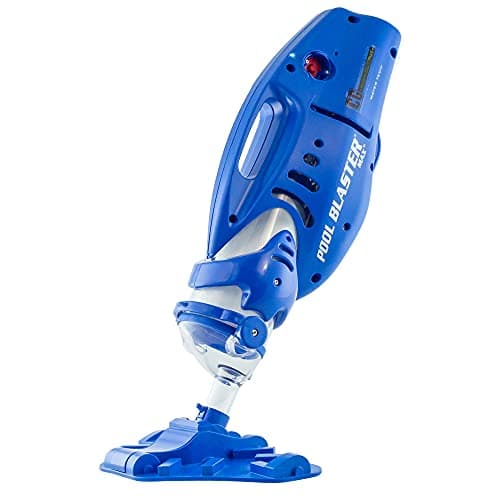
Pool Blaster Max CG

Pool Blaster Max CG

Water Tech · Cordless handheld, hoseless

Best for a defined sand patch6.2out of 10
$299.99· View on Amazon

Price checked November 6, 2026. #ad How we earn

What actually decides this

Sand and silt is the debris type that exposes bad machines. Leaves are forgiving: almost anything with suction and a basket moves them. Fine sediment is not. If the mesh is coarser than the particle, the particle goes in the intake and out the exhaust, and all the machine has done is lift your sediment into suspension so it settles somewhere else.

That is why “it just pushes the sand around” is the single most common complaint in this category — and it is not a navigation problem or a suction problem. It is a filter rating problem.

Read the micron number, and notice who does not publish one

A micron is a thousandth of a millimeter. Pool sand is coarse — often 100-500 microns — so a 180-micron basket catches some of it. Silt, pollen, dead algae and the fine fraction of windblown dust are in the 1-30 micron range, and a 180-micron basket catches none of it.

Here is where the published figures actually sit:

  • 3 micron — Aiper Scuba X1 Pro Max, Aiper Obsidian. Catches essentially everything, blinds fast.
  • 10 micron — WYBOT C2 (fine layer, with a 180-micron coarse layer over it). The best fine rating under $500.
  • 150 micron — Beatbot Sora 10. Excellent for leaves, wrong for silt.
  • 180 micron — Aiper Scuba S1 and SE baskets, most budget machines.
  • Not published — a surprising number of popular models, including some flagships. We say so on their pages rather than guessing, and for this debris type an unpublished figure should be treated as a no.

The filtration explainer goes deeper into what these numbers mean in practice.

The dual-layer design is the right architecture

A single 3-micron filter in a real pool blinds within one cycle, because leaf fragments and hair plug the mesh long before sediment fills the basket. The WYBOT C2’s approach — a 180-micron coarse layer in front of a 10-micron fine layer — is the correct engineering answer: the coarse layer protects the fine one, so the fine one keeps flowing. If you are buying for sediment, prefer a machine with a staged filter over one with a single very fine element, even if the single element has a better headline number.

Technique matters as much as the machine

  • Let it settle first. Run nothing for several hours. Sediment in suspension cannot be collected; sediment on the floor can.
  • Slow passes. A fast-moving robot generates a bow wave that lifts sediment ahead of the intake. Most machines with a “fine” or “intensive” mode are simply slowing down, and that mode is the one to use.
  • Rinse after every run. A fine filter full of silt has no flow. Rinsing it between runs is the difference between the machine working and not.
  • For a defined patch, use a handheld. Nothing beats parking a hand vacuum directly on the sand. The full sand-removal method is here.

Where the sand is coming from

Worth checking before you buy anything. If you have a sand filter and you are finding sand on the pool floor in a cone near a return jet, your filter’s laterals are cracked and the filter is feeding sand into the pool. No cleaner will solve that — it will just keep removing sand forever. Fix the filter first.
The picks in full

Aiper Scuba X1 Pro Max

Best micron rating

8,500 GPH, 3-micron filtration and a surface-skimming pass in one machine — the strongest published spec sheet on this site, and the only Aiper that handles floating debris.

Spec score

8.9/ 10 — derived from published specs, see the rubric
Debris capacity
8.5
Surface coverage
10.0
Filtration
10.0
Runtime & coverage
8.0
Value for spec
7.5

Published specifications

Suction8,500 GPH(retailer listing)
Filter rating3 micron ultra-fine(retailer listing)
CoverageCleaner and skimmer in one unit(retailer listing)
NavigationPool mapping(retailer listing)
ParkingSmart surface parking(retailer listing)
Pool typeInground(retailer listing)

What works

  • 3-micron filtration is the finest published figure in this category — it is the spec that matters for silt and pollen
  • 8,500 GPH leads every cordless unit here on published suction
  • Skimming plus submerged cleaning removes the need for a second robot
  • Surface parking means you are not fishing it off the floor

What doesn't

  • It is one of the two most expensive machines on this site
  • Inground only — the mass and the mapping are wrong for a soft-sided pool
  • A single all-in-one unit means a single point of failure for both jobs

Who should skip this

Skip this one if you have an above-ground or soft-sided pool, your budget stops short of the top tier, or your debris is coarse leaves where a 3-micron filter is wasted.

Aiper Obsidian

Best value at 3 micron

6,600 GPH, 3-micron MicroMesh filtration, a charging dock and 180 minutes — the spec sheet of a flagship at the price of a mid-range unit, and the best value on this site when the discount holds.

Spec score

8.9/ 10 — derived from published specs, see the rubric
Debris capacity
8.0
Surface coverage
8.5
Filtration
10.0
Runtime & coverage
8.5
Value for spec
9.5

Published specifications

Suction6,600 GPH(retailer listing)
Filter rating3 micron MicroMesh(retailer listing)
PowerCordless, 180-minute rated runtime(retailer listing)
ChargingWireless charging dock(retailer listing)
Surfaces cleanedFloor, walls and waterline(retailer listing)
Pool typeInground(retailer listing)

What works

  • 3-micron filtration plus 6,600 GPH is flagship-tier on paper
  • Full floor-wall-waterline coverage, not floor-and-walls
  • 180 minutes covers a large pool without a mid-cycle recharge
  • Charging dock, so no lifting it out between runs

What doesn't

  • A 2026 model with a short public track record — owner reports are thin
  • The listed discount is deep, which means the undiscounted price is not the price to judge it on
  • Inground only

Who should skip this

Skip this one if you want a model with several seasons of owner feedback behind it, or your pool is above-ground.

WYBOT C2

Best under $500

A 10-micron fine filter alongside a 180-micron coarse layer, covering 2,152 sq ft per cycle — the cheapest machine here that publishes a genuinely fine filtration figure.

Spec score

7.8/ 10 — derived from published specs, see the rubric
Debris capacity
7.0
Surface coverage
6.5
Filtration
8.5
Runtime & coverage
8.5
Value for spec
9.0

Published specifications

Filter ratingDual filter: 10 micron and 180 micron(retailer listing)
Coverage per cycle2,152 sq ft(retailer listing)
PowerCordless(retailer listing)
WallsCleans pool walls(retailer listing)
ControlApp control(retailer listing)
RetrievalAuto parking on low battery(retailer listing)

What works

  • A published 10-micron layer is the standout spec at this price — only the 3-micron flagships beat it
  • The dual-layer design means coarse leaves do not blind the fine mesh
  • 2,152 sq ft per cycle covers a large residential pool in one run
  • Auto-parks when the battery drops instead of dying in the deep end

What doesn't

  • No waterline pass
  • A 10-micron layer loads up fast and needs rinsing after most runs
  • Shorter owner-report history than the Aiper and Dolphin equivalents

Who should skip this

Skip this one if your debris is all coarse leaves — you will be rinsing a fine filter you did not need. The Beatbot Sora 10 is the better leaf machine.

Dolphin Nautilus CC Plus

Cheapest fine filtration to run

The default corded robot for a 40-foot inground pool: it climbs walls, it has never needed charging, and Maytronics parts are stocked everywhere — which is why it outlives cordless units.

Spec score

8.1/ 10 — derived from published specs, see the rubric
Debris capacity
8.0
Surface coverage
6.5
Filtration
9.0
Runtime & coverage
9.5
Value for spec
8.0

Published specifications

PowerCorded, mains power supply — no battery(retailer listing)
Rated pool sizeInground pools up to 40 ft in length(retailer listing)
WallsWall-climbing scrubber brush(retailer listing)
ControlWi-Fi app control(retailer listing)
Filter accessTop-load filter cartridges(retailer listing)
Fine filtrationUltra-fine cartridges sold separately(retailer listing)

What works

  • No battery means no battery to degrade — the single biggest cause of a dead cordless robot at year three
  • Ultra-fine cartridges are a $19-26 upgrade, which makes it the cheapest route to real fine filtration
  • Maytronics spares — brushes, tracks, filters, power supplies — are stocked by everyone
  • Top-load filter access means you empty it without turning it over

What doesn't

  • A floating cable in the pool, which tangles on a freeform shape and has to be stowed
  • The power supply needs a dry, shaded, GFCI-protected spot near the pool
  • No waterline pass — that is the CC Supreme

Who should skip this

Skip this one if your pool is freeform or over 40 ft, or you cannot site a power supply within cable reach of the water.

Pool Blaster Max CG

Best for a defined sand patch

A 12.75-inch cordless hand vacuum with no hose and no pump involvement — the tool for the patch of sand in the corner that your robot keeps missing.

Spec score

6.2/ 10 — derived from published specs, see the rubric
Debris capacity
6.0
Surface coverage
5.5
Filtration
7.5
Runtime & coverage
4.0
Value for spec
7.5

Published specifications

TypeCordless handheld, hoseless(retailer listing)
Head width12.75 in(retailer listing)
Pool typeInground and above-ground(retailer listing)
RuntimeNot stated on this listing(not published)

What works

  • No hose and no pump: you are vacuuming in 30 seconds, not after 10 minutes of setup
  • A 12.75 in head is wide for a handheld, which makes a sand patch a short job
  • The right tool for spot work after a storm or a liner repair
  • Catches debris in its own bag, so nothing reaches your filter

What doesn't

  • It is a handheld, not an automatic cleaner — you are in the pool doing the work
  • Water Tech does not state a runtime figure on this listing
  • Micro-filter bags are a recurring consumable

Who should skip this

Skip this one if you want automatic cleaning. A handheld complements a robot; it does not replace one.

Questions people actually ask

What micron filter removes sand from a pool?

Pool sand is often 100-500 microns, so a 180-micron basket catches the coarser fraction. Silt and the fine fraction need 10 microns or finer — the WYBOT C2’s 10-micron layer or the 3-micron filters on the Aiper X1 Pro Max and Obsidian.

Why does my pool robot push sand around instead of picking it up?

Its filter is coarser than the sand, so the sand passes through, or it is moving fast enough to lift sediment ahead of the intake. Fit a finer filter and use the slowest cleaning mode available.

Can a pool robot remove silt and fine dust?

Only with a fine filter fitted — 10 microns or finer. With a standard 180-micron basket, fine dust passes straight through.

Is sand on the pool floor coming from my filter?

If it appears as a cone near a return jet and keeps returning after every cleaning, almost certainly yes — cracked laterals or a broken standpipe in a sand filter. Fix the filter; a cleaner only treats the symptom.

Do fine filters reduce a pool robot's suction?

Yes, substantially, and that is unavoidable physics. The mitigation is a staged filter (coarse in front of fine) and rinsing after every run.