Why this page exists
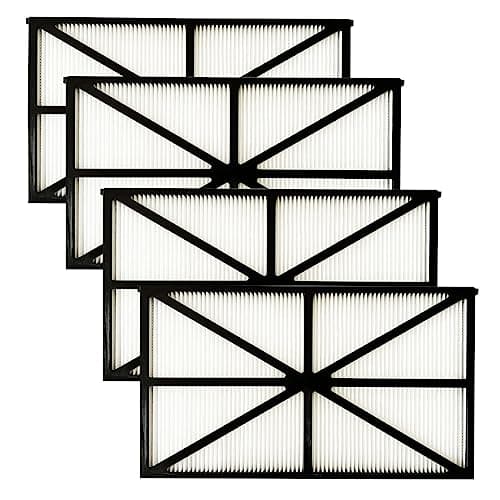
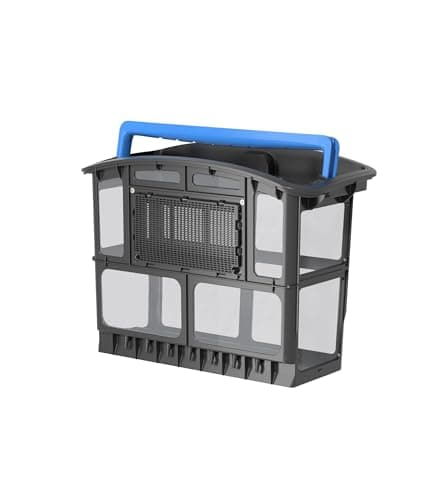
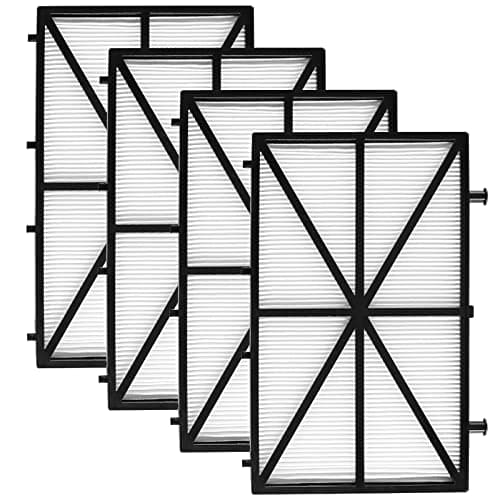
Filter cost is the largest recurring expense of owning a pool robot and almost nobody checks it before buying. The spread is enormous: a Dolphin four-pack costs less than a single genuine Beatbot basket. Over five years that difference is comparable to the price gap between two machines.
It also compounds, because the practical way to run fine filtration is to own two sets — one in the machine and one drying. A fine element loads up fast by design, which is it working, not a fault. A brand selling four cartridges for $26 lets you do that. A brand selling one basket for $100 does not.
The comparison
| Brand | Typical cost | Quantity | Fitment breadth |
|---|
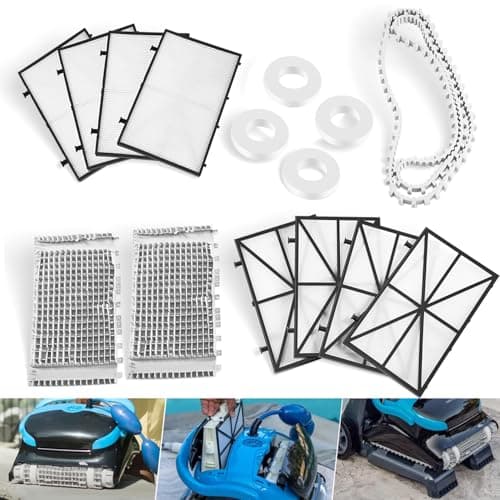
| Dolphin (Maytronics) | ~$19-26 | 4 cartridges | Nautilus CC Plus, M200, M400 |
| Hayward | ~$21 | 4 cartridges | SharkVac, TigerShark, AquaVac |
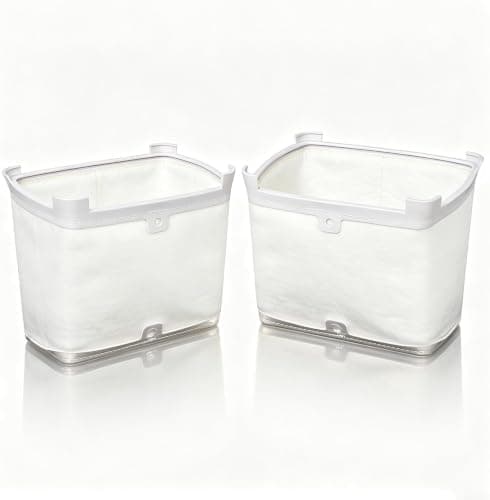
| Aiper | ~$20-60 | 1-2 cloths or a basket | Model-specific (S1, SE, X1, X1 Pro Max) |
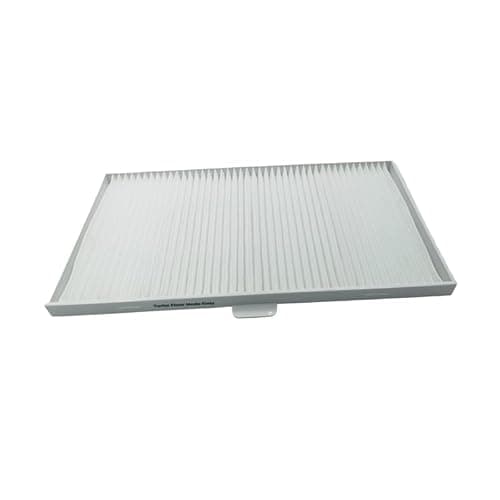
| WYBOT | ~$13-23 | 1 element | Model-specific (C2, C2 Vision, A1) |
| Beatbot | ~$60-100 | 1 basket | One or two models only |
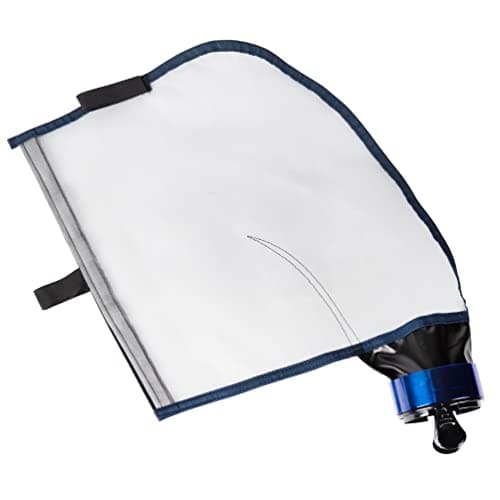
| Polaris (bags) | ~$13-57 | 1 bag | 3900 Sport / P39 |
Genuine or aftermarket?
Both have a place, and the listings are usually honest about which they are if you read the title.
Genuine guarantees the snap-in geometry and the seal, which matters more than it sounds: a frame that does not seat properly lets debris bypass the mesh entirely, so you are running a filter that filters nothing. Beatbot’s baskets are genuine-only; Maytronics and Polaris sell genuine alongside a healthy aftermarket.
Aftermarket is where the savings are, and for cartridges and cloths it is generally fine — the Dolphin ultra-fine four-packs that make a CC Plus the cheapest fine-filtration machine in the category are aftermarket. Pleat quality varies between cheap and premium aftermarket packs; the dearer pack typically lasts longer.
Check fitment carefully. The most common ordering error here is buying CC Plus cartridges for a plain Nautilus CC — different size, does not fit. Listings usually say so explicitly, in small print.
Coarse or fine, and when to swap
Most machines accept more than one grade, and the right one changes through the year:
- Leaf and pine-needle season: coarse. A fine element blinds in minutes in leaf litter, which leaves you with worse suction than the coarse one would have given you — and stops the robot climbing walls, since climbing depends on flow.
- Pollen season, and after any shock treatment: fine, rinsed after every single run. Dead algae is a few microns across and a coarse basket passes it entirely — which is why the algae page insists on this.
- Sand or silt: fine, with the slowest cleaning mode available — see the sand and silt roundup.
The filtration explainer sets out what each micron rating actually catches.
Three things that permanently ruin a filter
- Letting debris dry in the mesh. It cements in, and the flow loss does not come back.
- A pressure washer. It tears or stretches the mesh. A stretched fine filter has silently lost its micron rating while still looking intact — so your 3-micron machine is now a coarse one and you have no way of knowing.
- A stiff brush on a fine mesh. Same outcome.
Rinse with a garden hose, from the clean side outward, while the debris is wet. The full method is here.
When to replace rather than clean
- Visible tears, holes or a separated seam.
- A frame that no longer seats and seals — debris then bypasses the mesh entirely.
- Flow that has not recovered after a proper rinse and a seasonal chemical soak.
- A fine mesh that feels slack or stretched. It is no longer the rating on the box.
Budget for one set a season. On a Dolphin that is about $26; on a Beatbot Ultra, $100.