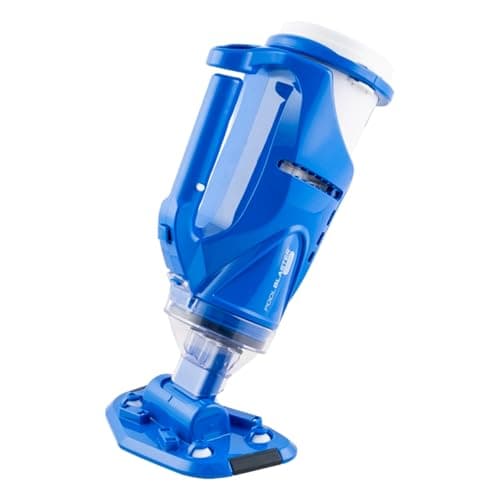
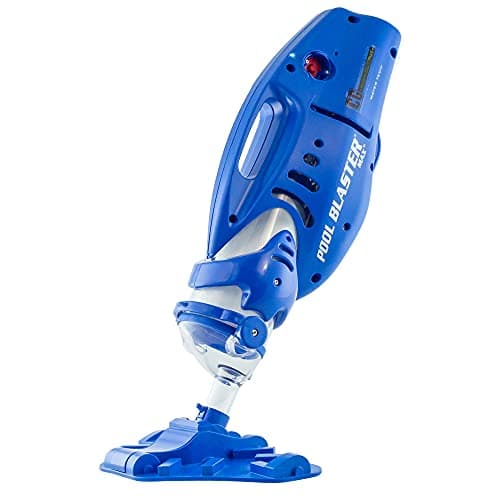
The Max CG is the tool you reach for when the problem is specific and immediate, and it is better at that than any robot on this site.
Hoseless is the whole design
The older generation of “handheld” pool vacuums connected to your skimmer and relied on pump suction, which meant priming a hose, losing prime, and sending every scrap of debris into your pump basket. The Max CG has its own motor and its own micro-filter bag. No priming, no pump involvement, nothing reaching your filter.
That turns a fifteen-minute setup into a thirty-second one, which is the difference between a tool you use and a tool in the shed.
A 12.75-inch head is wide for a handheld
This is the specification to compare on, because it directly predicts how long a job takes. The Max CG’s head covers roughly twice the ground per pass as a typical spa vacuum, which turns a sand patch from a five-minute job into a two-minute one. Runtime matters less than you would expect, because handheld sessions are short by nature.
Water Tech does not publish a runtime figure for this model, and we are not going to estimate one. It publishes 45 minutes for the smaller Catfish, which tells you the family is in that territory without telling you this unit’s number.
The four jobs it does better than any robot
A sand or silt patch. Robots drive over fine sediment and stir it; you can park a handheld directly on it. Technique matters as much as the tool here.
Steps and benches. Almost no robot cleans steps properly. A handheld on a pole does.
Post-storm spot work. One corner full of debris does not need a two-hour cycle.
Right now. Guests in ten minutes, leaves in the shallow end.
Where it is the wrong purchase
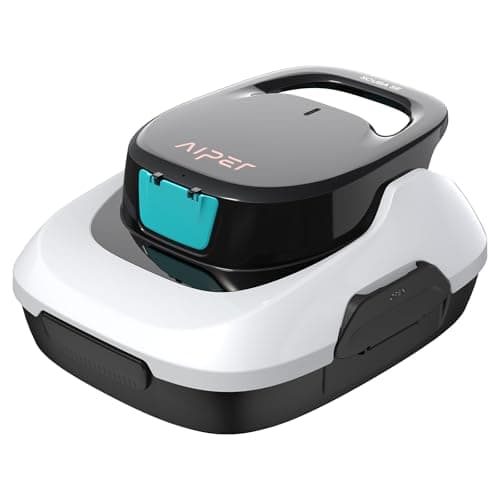
As your only pool cleaner for a full-size pool. You would be in the water for an hour per session and emptying the bag repeatedly. At a similar price the Aiper Scuba SE does the floor automatically while you do something else — and the honest framing is that a handheld is the second tool. Robotic versus manual compares them fairly.
One ongoing cost worth knowing: micro-filter bags are a consumable, and the fine bags fill quickly on exactly the fine debris you bought it to collect.
How we assessed it, and what we did not do
Every figure in the specification table on this page is attributed: to Water Tech’s published specifications, to the Amazon listing for this exact model, or marked as not published where neither source gives a figure. The score is derived from those published numbers by the five-metric rubric, which is published in full.
We have not physically tested this machine. We do not run a test pool, we do not own this unit, and nothing on this site claims otherwise. What we do instead is show where every number comes from, say plainly who the machine is wrong for, and refuse to print a figure we cannot source. Where owner reports inform a point, they are described as owner reports — never as our own experience.
Who should skip it
Skip the Pool Blaster Max CG if you want automatic cleaning. A handheld complements a robot; it does not replace one.
That is not a throwaway line. The most expensive mistake in this category is buying a capable machine that is wrong for your pool — and a machine rated below your pool’s area or missing the one capability your debris requires cannot be fixed by any setting.
Alternatives worth considering
- Pool Blaster Catfish Gen 2 — the right size for a spa, hot tub or plunge pool, at about a third less. Read the review
- Aiper Scuba SE — a similar price, but it cleans the floor automatically while you do something else. Read the review
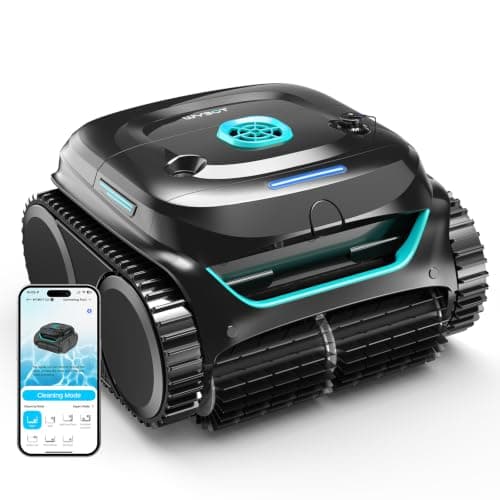
- WYBOT C2 — a robot with published 10-micron filtration if fine debris is a recurring problem. Read the review
If you are still narrowing down, the selector tool works from your pool type, size, surface and dominant debris, and the brands hub covers how the manufacturers compare.