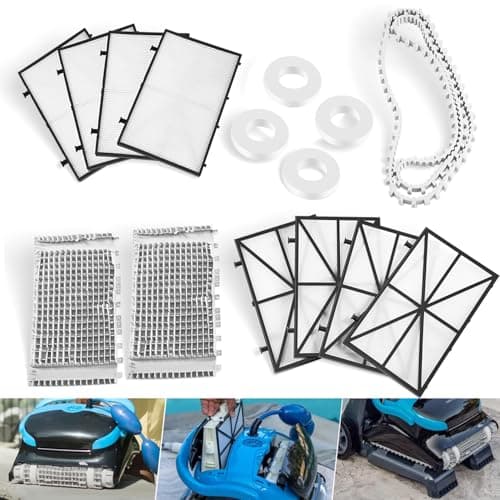
Pool Robot Troubleshooting, Cheapest Check First
Nine symptoms, their causes, and the part for each.
Fault-finding in the order that costs you least, plus the ownership questions the manuals leave out.
By Mike M. · Published November 6, 2026 · Last updated November 6, 2026
How this page is funded: we earn an Amazon commission on qualifying purchases made through links here, at no extra cost to you. It does not change which products we pick or the order we rank them in — here is the method and the full disclosure. Prices are live from Amazon, checked November 6, 2026.
Diagnose in cost order and you will usually stop early. Empty and rinse the filter, clear the intake and impeller, check brushes and tracks for wear, then test the charger. The first three are free and resolve most faults people read as terminal.
Fault-finding in the order that costs you least. The top three checks are free.
Nine symptoms, their causes, and the part for each.
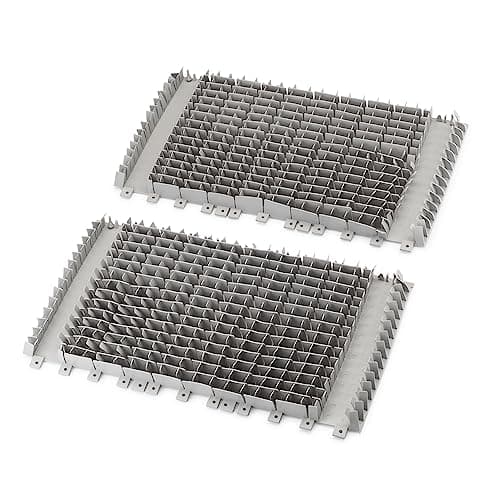
Four checks, cheapest first, for a robot that no longer climbs.
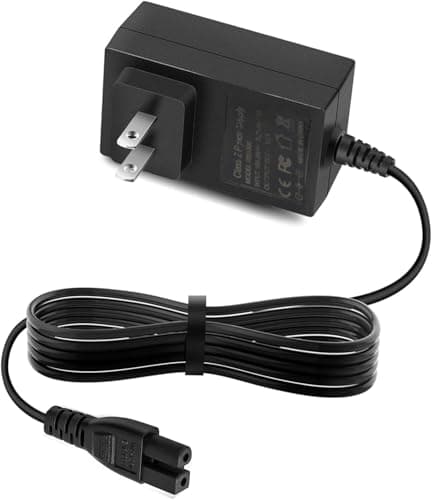
The charging diagnostic, cheapest part first.
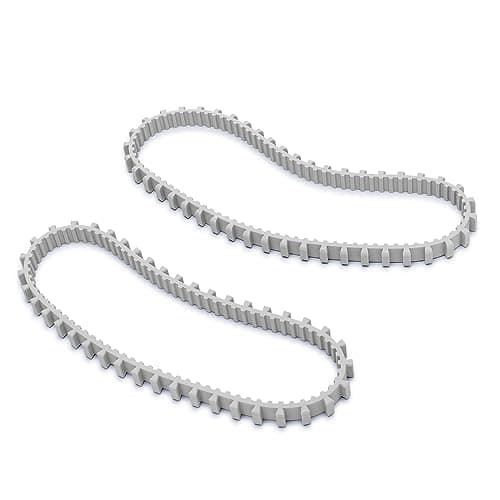
Six causes of stranding, and which ones a new machine fixes.
How to read an error light, and why code tables need sourcing.
The questions the manuals leave out: how often, how long it lasts, what it costs, and whether it is worth it at all.
The cost-benefit case, including where the answer is no.
Purchase, electricity, consumables and the pump-time saving.
A seasonal schedule, and why frequency beats duration.
What fails, in what order, and what it costs to fix.
The honest answer, by machine type.
The four things to verify, and where to verify them.
Leaves, algae, sand, a waterline ring — and three guides for when you have no vacuum, no pump, or do not want to drain the pool.
The right order, and the habit that halves the problem.
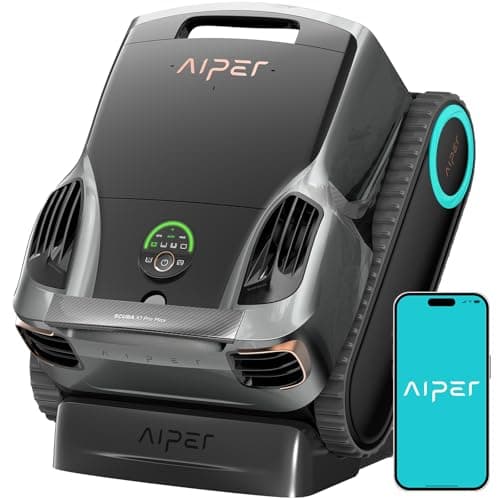
The five-step sequence, in the order that works.
The settle-and-slow method, plus the source diagnostic.
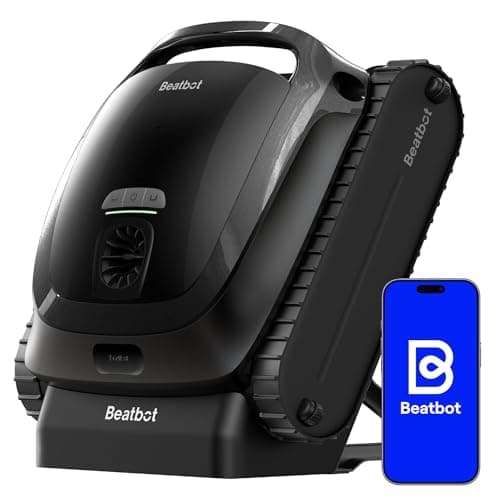
Why it's grease, and the frequency that actually prevents it.
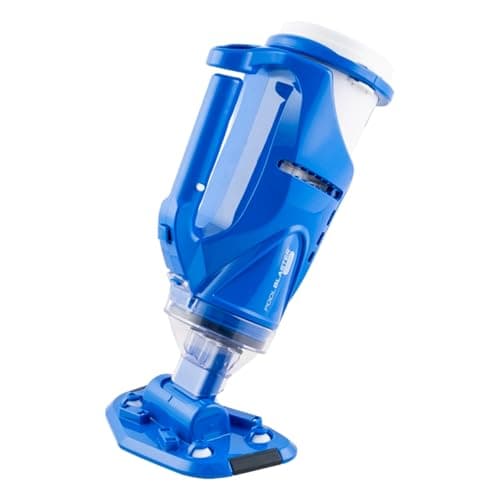
Six no-vacuum methods, and where each one stops working.
Why draining is risky, and the recovery sequence that avoids it.
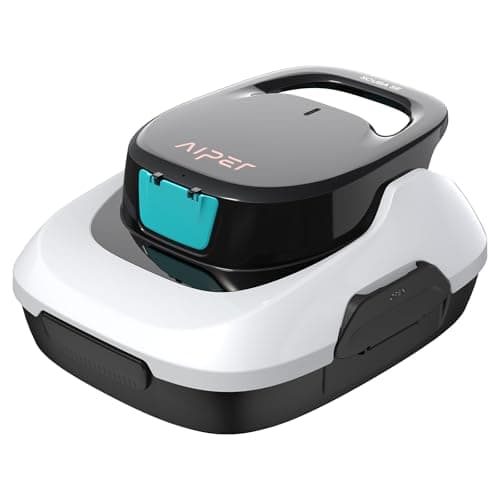
What works with no pump, and the safety limit you cannot ignore.
How these machines actually work, what micron ratings mean, and why wall climbing is not waterline cleaning.
The five subsystems, and which spec belongs to which.
Five categories, their economics, and what each suits.
What each micron rating catches, and why matched beats fine.
The mechanics, the surfaces that defeat it, and the usual fix.

The method, the three ruinous mistakes, and when to replace.
The seven places no robot reaches, and how often to brush them.
There is a correct order to diagnose a pool robot, and it is not the order most people use. Most people start by suspecting the expensive component. The right order starts with the free checks, because the free checks are also the most likely causes.
Only after those five does it make sense to buy anything. The full troubleshooting index maps every symptom to its usual cause.
Water inside the housing, any burning smell, a swollen battery pack, or a damaged cable on a corded machine. None of those is a home repair. Water ingress in particular will destroy the motor and electronics if you keep running it, and a damaged low-voltage cable in a pool is a safety matter rather than an inconvenience.
Four of the guides above will save you money whether or not you own a robot yet. Whether one is worth it at all turns on pool size and how often you swim, not on cleaning quality. What one actually costs to run is mostly about pump time rather than the robot’s own draw. How long one lasts depends almost entirely on whether a replacement battery is sold for that model. And how often to run it has a counterintuitive answer: more often, for shorter periods, because once the basket is full the rest of the cycle collects nothing.
Seven of the guides above are problem-first: leaves, algae, sand, the waterline, and three for when you are missing equipment. Two honest notes about them.
First, a robot does not kill algae. Algae is a living biofilm anchored to your plaster or liner and it is killed by chemistry. What a robot does is break the film open so the sanitizer can reach it, then filter out the dead cells. The wall-algae guide sets out the correct order, and it starts with a test kit.
Second, several of these guides will talk you out of a purchase. The no-vacuum guide shows how far you can get with a flat leaf rake, a brush and your existing filtration, and where that genuinely stops working. We would rather you bought the right thing, or nothing, than the expensive thing.
We do not publish manufacturer error-code tables, because they are model-specific, change between hardware revisions, and the versions circulating online are frequently copied from the wrong model. A table we cannot source would look more useful and be less useful — so that page teaches you to read the four fault categories instead and links each manufacturer’s own support entry point.
And we do not physically test pool cleaners. Every figure on this site is attributed to a manufacturer specification, a retailer listing, or marked as not published — the methodology page sets out exactly how we work.