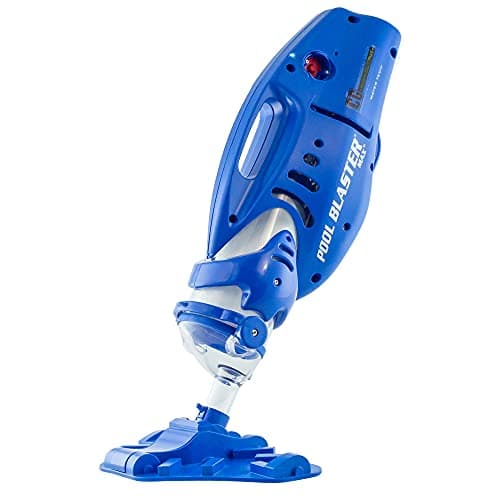
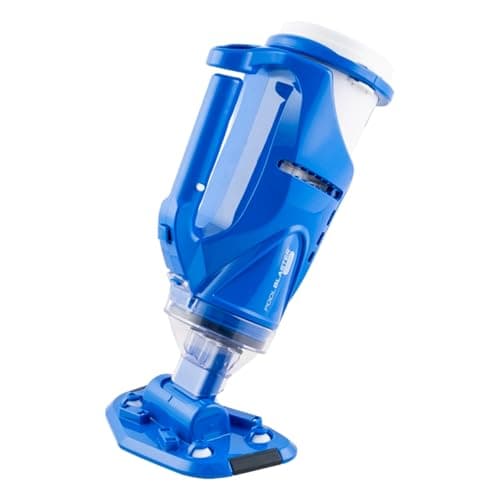
The Catfish is the cheapest machine on this site and the only one that makes sense for a hot tub, which is a combination worth stating plainly because nothing else here fits a spa at all.
Scale is the point
A hot tub holds a few hundred gallons in a space a robot cannot maneuver in. No robot on this site is designed for it, and most are physically too large. The Catfish is sized for exactly that volume: cordless, hoseless, 45 minutes of published runtime, and small enough to work around a seat and a footwell.
The same applies to plunge pools, spools and cold-plunge tubs under roughly 150 square feet, where a three-minute hand job beats owning, charging and storing a robot. The small-pool roundup is explicit about where that line sits.
It fits the pole you already own
Water Tech publishes compatibility with standard 1.25-inch telescopic poles. That is a small detail with a real consequence: you are not buying a proprietary handle, and you can reach the far side of a spa or the floor of a plunge pool with the pole already hanging on your fence.
45 minutes is a published figure, which matters
Water Tech publishes a runtime for this model and does not for the larger Max CG. For a spa, 45 minutes is a great deal more than you will ever need in one session — most spa jobs are five minutes. It means battery anxiety is simply not a factor, which is unusual in this category.
The mistake
Buying it for a 30-foot pool. This is the single most common error in the handheld category and it is understandable: it is cheap, it says “pool”, and the listing mentions small above-ground pools. In a full-size pool you will exhaust the bag, your patience and the session long before you finish, and you will conclude the product is bad when it is simply the wrong size.
If your pool is full-size and your budget is around $120, the honest advice is to save a little more for a budget robot, or buy the larger Max CG if manual is genuinely what you want. Robotic versus manual lays out the crossover.
Ongoing cost
Filter bags are a consumable, and a small debris capacity means more frequent emptying within a session. For a spa that is irrelevant; for a pool it is part of why this is the wrong tool for one.
How we assessed it
Every figure in the specification table on this page is attributed: to Water Tech’s published specifications, to the Amazon listing for this exact model, or marked as not published where neither source gives a figure. The score is derived from those published numbers by the five-metric rubric, which is published in full.
This assessment is built from Water Tech’s published specifications, recognized industry standards and verified owner feedback, scored on our published rubric. Every number shows where it came from, the page says plainly who the machine is wrong for, and no figure appears that we cannot source. Where owner reports inform a point, they are described as owner reports. Where independent laboratory or standards work exists for a figure, it is cited by name.
Who should skip it
Skip the Pool Blaster Catfish Gen 2 if you are cleaning a full-size pool. This is a spa and spot tool, and buying it for a 30 ft pool is the most common mistake in this category.
That is not a throwaway line. The most expensive mistake in this category is buying a capable machine that is wrong for your pool — and a machine rated below your pool’s area or missing the one capability your debris requires cannot be fixed by any setting.
Alternatives worth considering
- Pool Blaster Max CG — a 12.75-inch head for a full-size pool, if manual is what you want. Read the review
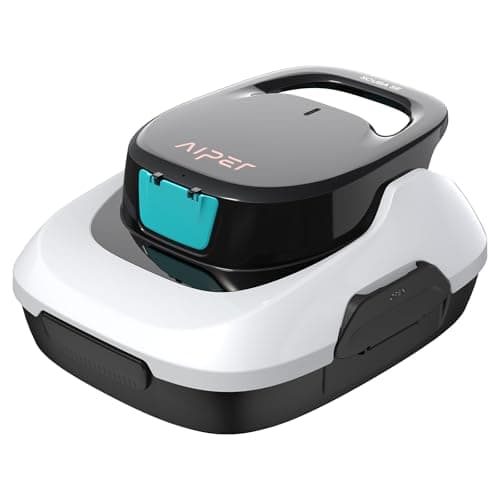
- Aiper Scuba SE — under $150 and automatic, for a small above-ground pool. Read the review
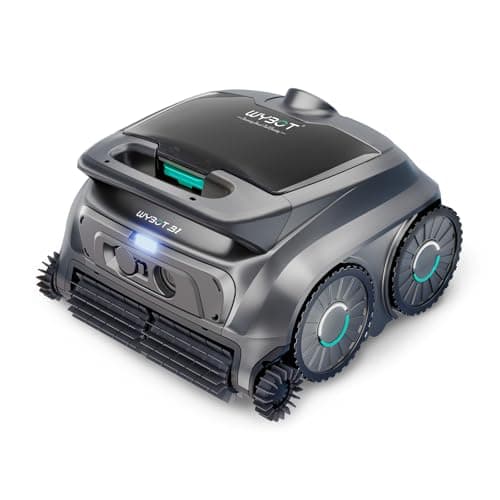
- WYBOT B1 — a cordless robot that climbs walls, for a small inground pool. Read the review
If you are still narrowing down, the selector tool works from your pool type, size, surface and dominant debris, and the brands hub covers how the manufacturers compare.