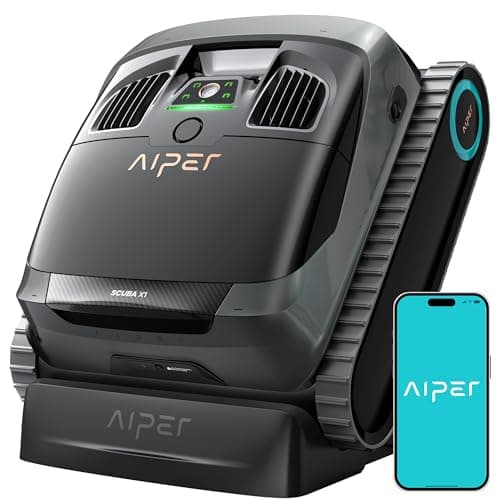
Cordless vs Corded Pool Cleaners
The architecture decision, worked through properly.
Top pick: Aiper Obsidian
$799.98$1,399.99· View on Amazon
43% off. Price checked November 6, 2026. #ad How we earn
You have narrowed it to two. These pages pick one, and name the condition under which the answer flips.
By Mike M. · Published November 6, 2026 · Last updated November 6, 2026
How this page is funded: we earn an Amazon commission on qualifying purchases made through links here, at no extra cost to you. It does not change which products we pick or the order we rank them in — here is the method and the full disclosure. Prices are live from Amazon, checked November 6, 2026.
Fifteen tiebreaks, each with a verdict in the first hundred words and the condition under which the answer flips. Start with cordless versus corded — it is the architecture decision, and every other comparison on this page sits inside it.
Architecture and category, before brand. Get these two wrong and no amount of brand comparison helps. Prices are live from Amazon, checked November 6, 2026.
The architecture decision, worked through properly.
Top pick: Aiper Obsidian
43% off. Price checked November 6, 2026. #ad How we earn
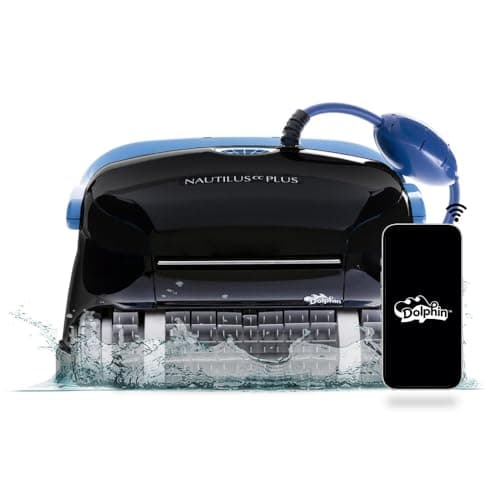
Where the debris goes, and whose electricity moves it.
Top pick: Dolphin Nautilus CC Plus
Price checked November 6, 2026. #ad How we earn
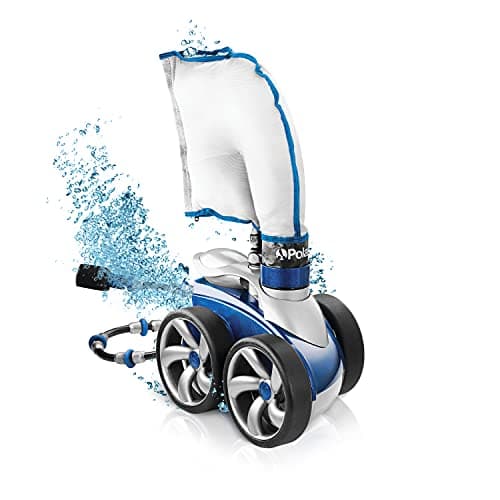
Large-debris collection versus fine-particle filtration.
Top pick: Polaris Vac-Sweep 3900 Sport
6% off. Price checked November 6, 2026. #ad How we earn
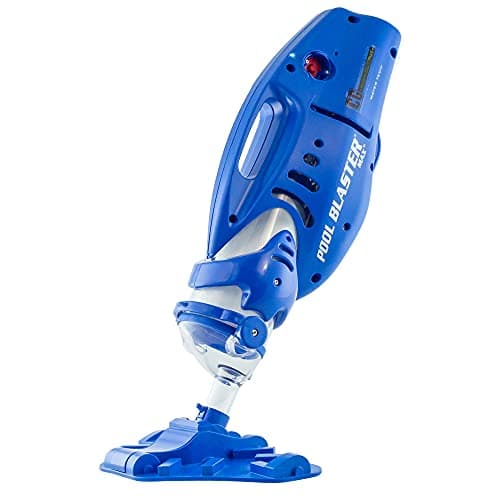
Time versus precision, and where the crossover sits.
Top pick: Pool Blaster Max CG
Price checked November 6, 2026. #ad How we earn
The three brands that matter, plus the budget contender and the legacy name. Each has made a different engineering bet. Prices are live from Amazon, checked November 6, 2026.
The three-way, with a decision table.
Top pick: Aiper Obsidian
43% off. Price checked November 6, 2026. #ad How we earn
Micron ratings versus basket volume, across six machines.
Top pick: Aiper Obsidian
43% off. Price checked November 6, 2026. #ad How we earn
Spec sheet versus service life, with the parts figures.
Top pick: Aiper Obsidian
43% off. Price checked November 6, 2026. #ad How we earn
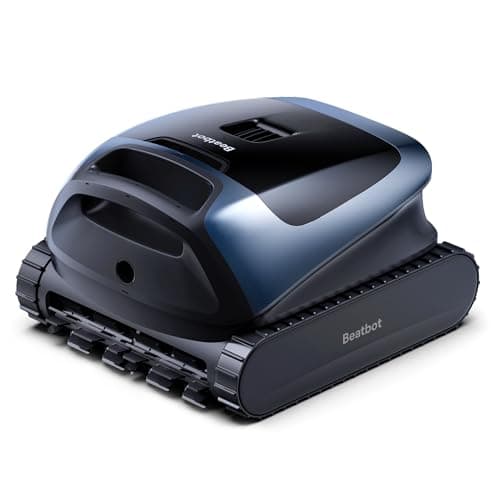
Coverage breadth versus a decade of parts support.
Top pick: Beatbot Sora 30
30% off. Price checked November 6, 2026. #ad How we earn
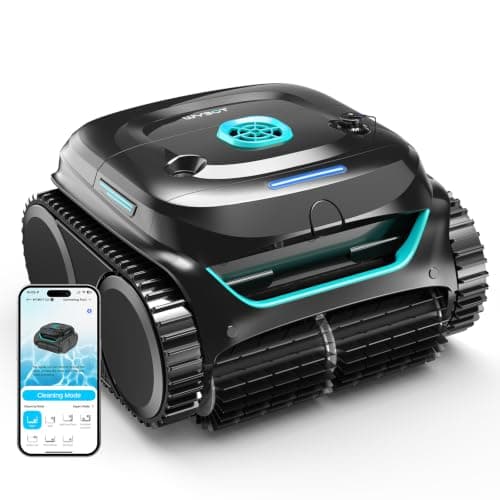
Two budget specialists, compared where they actually overlap.
Top pick: WYBOT C2
Price checked November 6, 2026. #ad How we earn
Pressure-side bagging versus robotic filtering.
Top pick: Dolphin Nautilus CC Plus
Price checked November 6, 2026. #ad How we earn
Five specific head-to-heads for readers who have already narrowed it to two machines. Prices are live from Amazon, checked November 6, 2026.
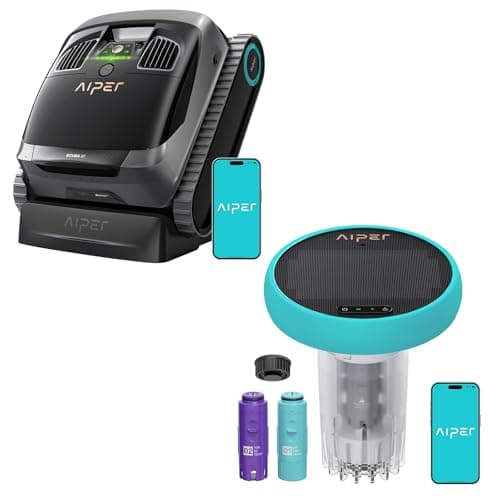
Water chemistry versus the waterline, at similar money.
Top pick: Aiper Scuba X1
Price checked November 6, 2026. #ad How we earn
Waterline double-pass versus platform cleaning and a 5-liter basket.
Top pick: Beatbot Sora 30
30% off. Price checked November 6, 2026. #ad How we earn
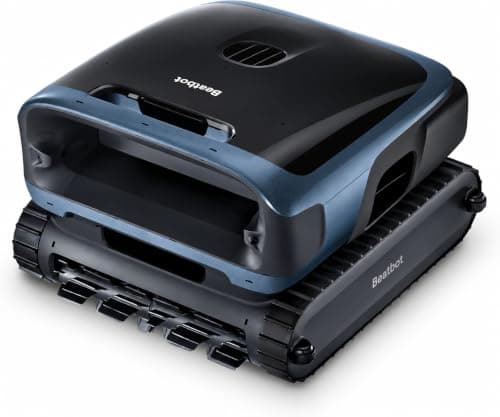
Surface skimming against a decade of service life.
Top pick: Beatbot Sora 70
Price checked November 6, 2026. #ad How we earn
Maytronics' inground machine against its above-ground specialist.
Top pick: Dolphin Nautilus CC Plus
Price checked November 6, 2026. #ad How we earn
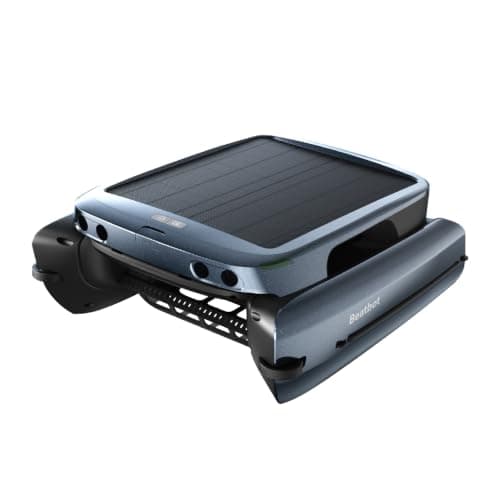
9 liters versus 4 liters plus a chlorine dispenser.
Top pick: Beatbot iSkim
16% off. Price checked November 6, 2026. #ad How we earn
Comparisons only help once you are comparing the right things. There is an order to this, and most people start three steps too late — at brand, when the first two decisions have already eliminated most of the market.
A robotic cleaner has its own motor, pump and filter and runs with your pool pump switched off. A suction cleaner is driven by your pump and sends debris into your filter. A pressure-side cleaner is driven by return pressure, usually from a booster pump, and bags debris before it reaches your filter.
Those are different products, not different quality tiers. A pressure-side cleaner will swallow acorns and cones that jam every robot intake; a robot will filter silt that no bag mesh catches; a suction cleaner will outlive both and cost you pump hours. The types-of-cleaners guide sets out all five categories.
Within robots, this is the decision that determines how long you own the machine. Cordless carries the better current specifications and nothing to set up; corded has no battery and routinely outlives two cordless machines.
The question that settles it is narrower than you would think: is a replacement battery sold for the specific model you are considering? Where one is (the Aiper Scuba S1 at ~$80, the WYBOT C1 at ~$69), cordless is a six-to-eight-year purchase. Where it is not, it is a three-to-four-year purchase and should be priced that way. The full comparison works through it.
Only now does brand matter, and it matters because the three that count have made genuinely different engineering bets:
Pick the brand whose priority matches your pool’s problem, not the one with the best overall reputation. The three-way has a decision table.
The five model-against-model pages are for readers who have already done the first three steps and are choosing between two specific machines. They are the most useful pages on this site for someone about to buy, and the least useful for someone just starting.
Leads with a verdict. The answer is in the first hundred words, because a comparison that makes you read two thousand words to find out which one to buy has failed at its one job.
Names the condition under which it flips. “It depends on your needs” is not an answer. We make the call and then state exactly what would change it — pool over 40 feet, freeform shape, coarse debris, ten-year horizon.
Says when a third option beats both. Several of these comparisons end by recommending something that is on neither side of the question. The clearest example: a corded Dolphin plus a solar skimmer costs less than a single surface-skimming flagship, removes more debris, and has no battery to age. No manufacturer will ever tell you that.
Compares published figures only. Where a manufacturer does not publish a suction figure, a micron rating or a rated pool area, the comparison table says so rather than filling it in. Several of these tables have more “not published” cells than you would expect at the prices involved, and that is itself a finding.
Start from the problem instead. Pick by debris if you know what is in your pool, pick by pool if you know its size, type and surface, or use the selector, which asks for all four and narrows to a shortlist.