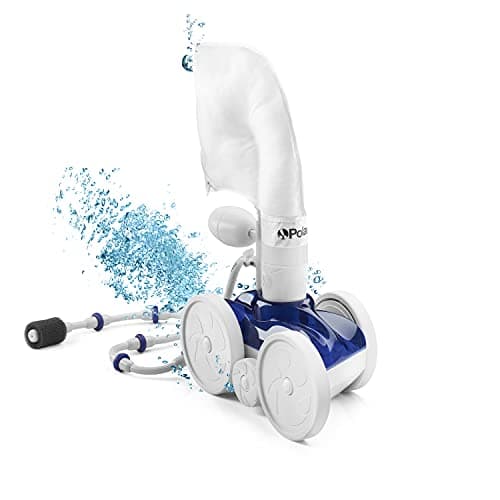
The 280 has been in production long enough that twenty-year-old units are still running in back yards, which tells you most of what you need to know about it. It is the opposite of everything else on this site: no app, no battery, no circuit board, no micron rating, no mapping.
What simplicity actually buys
A double venturi jet drives it around the pool, debris lifts into a bag, and a three-hour published cycle covers the floor. There are no electronics to fail, no seals holding water out of a motor housing, and no lithium pack ageing in warm water. The failure modes are a worn bag, a perished hose section and worn wheels — all cheap, all universally stocked, all replaceable with hand tools.
This is the same argument we make for corded over cordless, taken one step further: fewer components still.
The 31-foot hose is the sizing limit
This is the figure to check against your pool. 31 feet of hose constrains the 280 to small and mid-sized pools; the 3900 Sport is the larger-pool machine in the same family, and the MX8 from Zodiac reaches 39 feet on the suction side. Buying a 31-foot-reach machine for a 40-foot pool produces exactly the “it never does the far end” complaint, and no setting recovers it.
The booster pump question, again
Like the 3900 Sport, the 280 generally needs a dedicated booster pump on most installations. If you have one, this is one of the cheapest routes to automatic cleaning that will still be working in fifteen years. If you do not, the honest comparison is against a cordless robot at $400-500 that needs no plumbing at all, filters the water, and cleans the walls.
Where it sits against a robot
It does not filter water. It does not climb walls. It has no scheduling and no waterline pass. For most buyers in 2026 a robot is the better machine, and we would say so.
Where the 280 still makes sense: a pool with a booster pump already installed, an owner who wants minimal complexity, a rental or second property where nobody will remember to charge a battery, or a pool with enough woody debris that bagging beats filtering. The types-of-cleaners guide sets out where each category wins.
How we assessed it
Every figure in the specification table on this page is attributed: to Polaris’s published specifications, to the Amazon listing for this exact model, or marked as not published where neither source gives a figure. The score is derived from those published numbers by the five-metric rubric, which is published in full.
This assessment is built from Polaris’s published specifications, recognized industry standards and verified owner feedback, scored on our published rubric. Every number shows where it came from, the page says plainly who the machine is wrong for, and no figure appears that we cannot source. Where owner reports inform a point, they are described as owner reports. Where independent laboratory or standards work exists for a figure, it is cited by name.
Who should skip it
Skip the Polaris Vac-Sweep 280 if you want a machine that filters water, cleans walls or runs on a schedule. This is a debris collector and nothing more.
That is not a throwaway line. The most expensive mistake in this category is buying a capable machine that is wrong for your pool — and a machine rated below your pool’s area or missing the one capability your debris requires cannot be fixed by any setting.
Alternatives worth considering
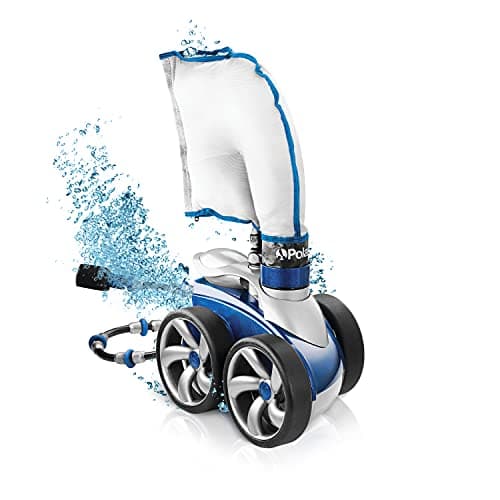
- Polaris Vac-Sweep 3900 Sport — the larger-pool Polaris, with a dual-chamber bag and TailSweep PRO. Read the review
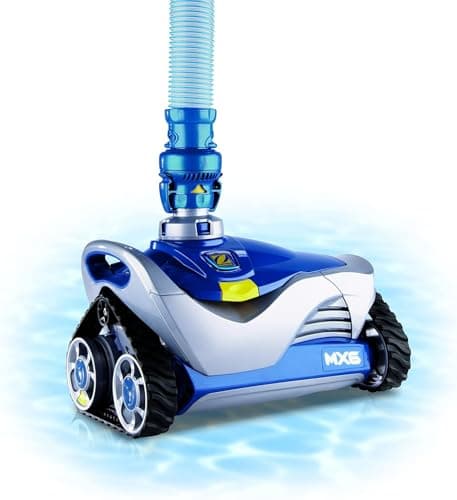
- Zodiac MX6 — a suction cleaner at a similar price that runs off your existing pump — no booster. Read the review
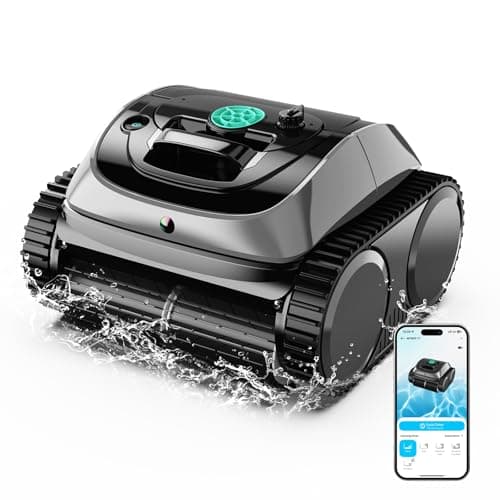
- WYBOT C1 — a cordless robot that needs no plumbing, filters water and cleans walls. Read the review
If you are still narrowing down, the selector tool works from your pool type, size, surface and dominant debris, and the Polaris brand guide covers the whole range and where it stops.