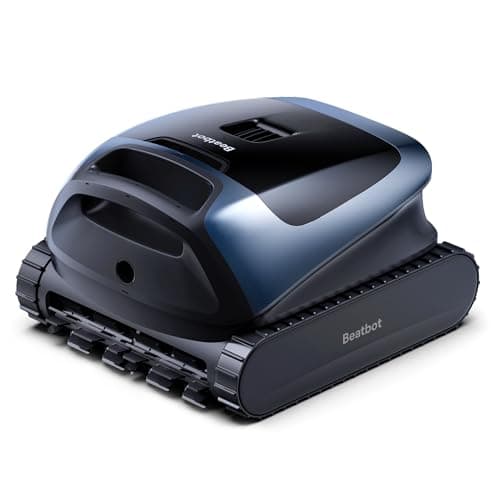
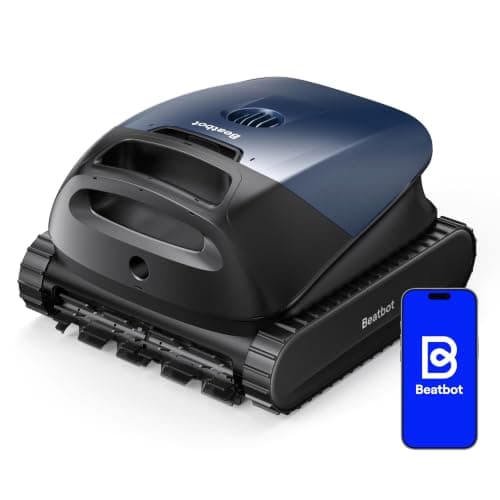
The Sora 10 is the best value on this site for a leaf-heavy pool, and understanding why requires separating two specs that reviews routinely conflate.
Basket volume is the spec that predicts leaf performance
A robot’s cycle is limited by its debris capacity, not its runtime. Once the basket is full, flow collapses and the remaining hours collect essentially nothing — the machine drives around with a plug of wet debris in it, which is why “it is not strong enough” is so often reported in autumn and is actually a capacity problem.
Beatbot publishes 5 liters here. Most machines in the $300-600 band carry 1-2 liters and do not publish the figure at all, which is itself informative. Under a single mature oak in October, a 2-liter basket is full in one cycle and a 5-liter basket gets through two. The leaf roundup ranks entirely on this.
Five hours is more than anything else at this price
Beatbot publishes a 5-hour runtime. That means a heavily loaded pool gets a full cycle plus a second pass without recharging, which pairs properly with the large basket — there is no point having five hours of battery and twenty minutes of capacity, or vice versa. This machine has both.
6,800 GPH, which matches machines at three times the price
The entire Beatbot Sora line publishes 6,800 GPH, including the $1,499 Sora 70. Suction is genuinely not where you pay more in this range.
The 150-micron compromise, stated plainly
Beatbot publishes 150 micron for this filter. That is coarse. Pool sand runs 100-500 microns so it catches the coarser fraction; silt, pollen and post-shock dead algae — all 2-50 microns — pass straight through.
Here is the thing most reviews get backwards: for a leaf pool, 150 micron is the correct specification, not a weakness. A 3-micron filter blinds within minutes in leaf litter, at which point your expensive fine-filtration machine has worse suction than this one does, and it stops climbing walls too, since climbing depends on flow.
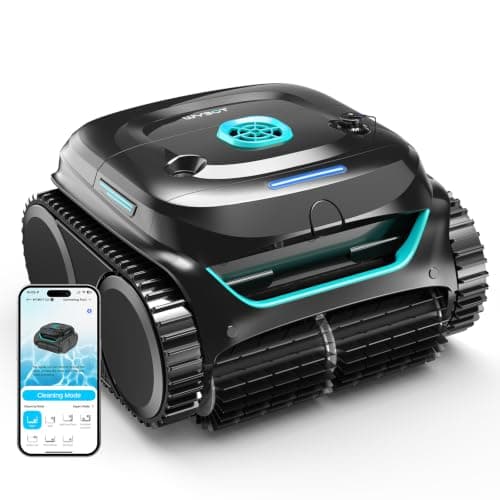
But if your debris is fine, this is the wrong machine and the WYBOT C2 publishes a 10-micron layer at a similar price — the sand and silt roundup ranks on that. The filtration explainer sets out what each rating catches.
Shallow-water capability down to 12 inches
A genuinely useful inclusion at this price. Tanning ledges, sun shelves and wide shallow steps strand most robots; the Sora 10 publishes operation down to 12 inches. It does not have the Sora 30’s dedicated platform zone, but it will not beach.
Auto waterline parking
It finishes at the surface by the wall rather than on the deep-end floor. With a machine this size, that is the difference between reaching for it and swimming for it.
What to be aware of
No surface skimming — that starts at the Sora 70. No tap-to-retrieve — that is the Sora 30. And Beatbot’s consumables are expensive: a genuine replacement basket is around $60, and there is no established third-party battery ecosystem, which on a cordless machine is the question that determines its life. That is the central argument against Beatbot and for Dolphin.
How we assessed it
Every figure in the specification table on this page is attributed: to Beatbot’s published specifications, to the Amazon listing for this exact model, or marked as not published where neither source gives a figure. The score is derived from those published numbers by the five-metric rubric, which is published in full.
This assessment is built from Beatbot’s published specifications, recognized industry standards and verified owner feedback, scored on our published rubric. Every number shows where it came from, the page says plainly who the machine is wrong for, and no figure appears that we cannot source. Where owner reports inform a point, they are described as owner reports. Where independent laboratory or standards work exists for a figure, it is cited by name.
Who should skip it
Skip the Beatbot Sora 10 if your debris is fine — sand, silt, pollen or post-treatment dead algae. At 150 micron this machine will stir it rather than remove it.
That is not a throwaway line. The most expensive mistake in this category is buying a capable machine that is wrong for your pool — and a machine rated below your pool’s area or missing the one capability your debris requires cannot be fixed by any setting.
Alternatives worth considering
- Beatbot Sora 30 — adds platform cleaning and tap-to-retrieve for about $200 more. Read the review
- WYBOT C2 — a published 10-micron fine filter layer, if your debris is fine rather than leaves. Read the review
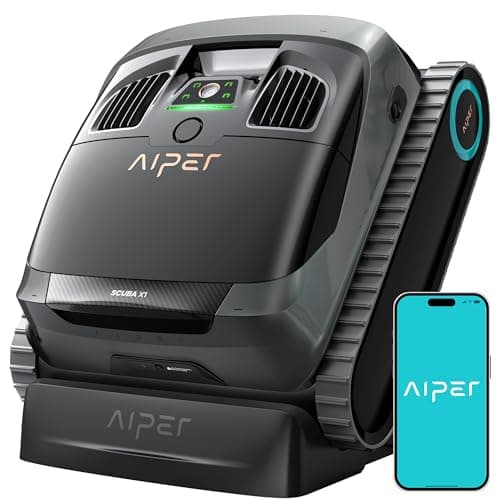
- Aiper Obsidian — 3-micron filtration, 180 minutes and a charging dock for about $300 more. Read the review
If you are still narrowing down, the selector tool works from your pool type, size, surface and dominant debris, and the Beatbot brand guide covers the whole range and where it stops.