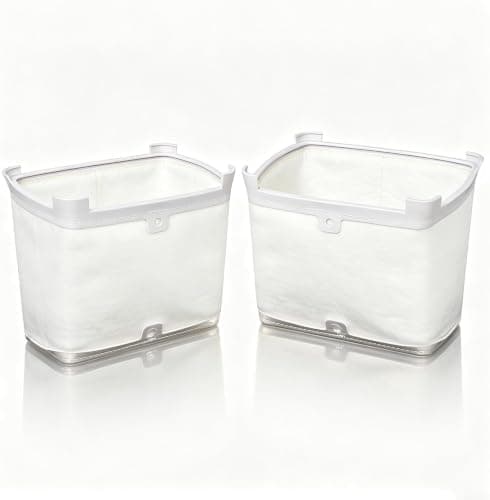
Fitment first, because nothing here is interchangeable
| Your machine | Takes | Typical cost |
|---|
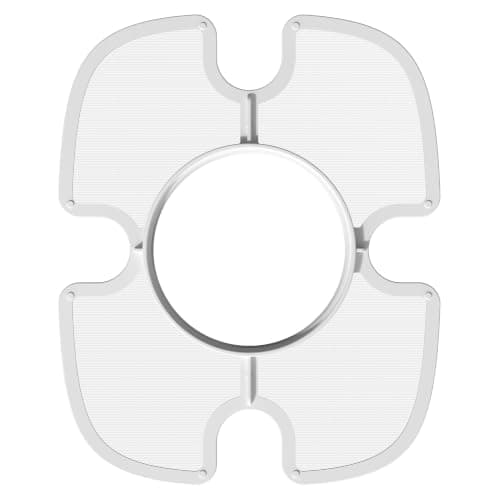
| Scuba SE / Seagull SE | Snap-in filter tray, 180 micron | ~$20 |
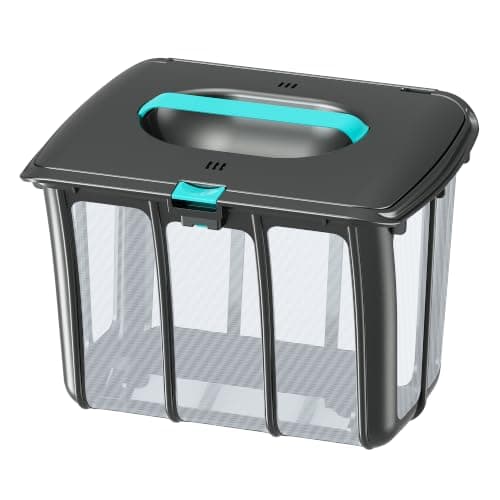
| Scuba S1 | Filter basket, 180 micron | ~$33-40 |
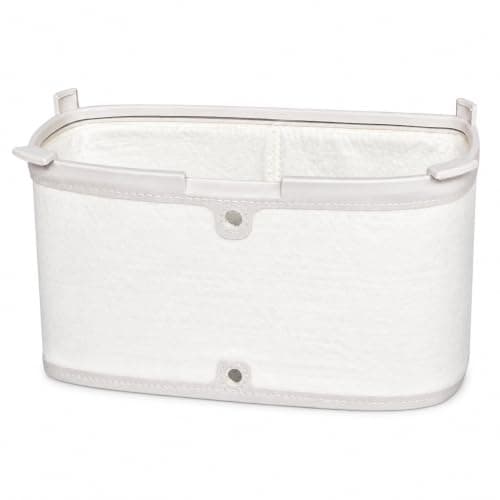
| Scuba S1 (fine upgrade) | Ultra-fine cloth, 2-pack, into the standard basket | ~$32 |
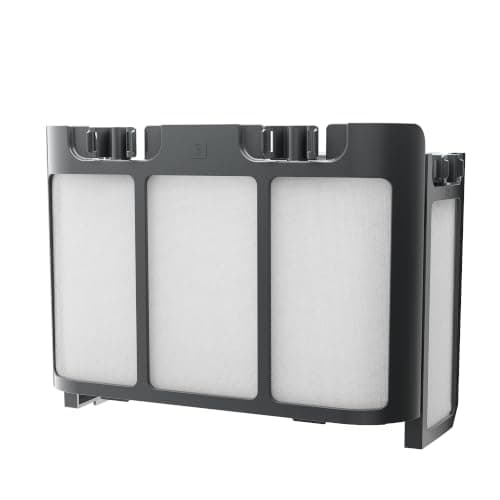
| Scuba X1 / X1 Pro | 3-micron filter cloth | ~$33 |
| Scuba X1 Pro Max | 3-micron ultra-fine, 2-pack | ~$59 |
The S1 basket does not fit the SE. The X1 cloth does not fit the X1 Pro Max. Read the listing title against your exact model before ordering — this is where almost every mis-order on Aiper parts happens.
The $32 upgrade that changes what an S1 can do
This is the most useful thing on this page. The Scuba S1 ships with a 180-micron basket, which catches leaves and the coarse fraction of sand and passes silt, pollen and post-shock dead algae straight back into the water.
A two-pack of washable ultra-fine micro-mesh cloths drops into that same standard basket for about $32. You get two, so one dries while the other runs — which is the only practical way to use fine filtration, because a fine element loads up fast.
For $32, an S1 goes from a leaf machine to a machine that can handle silt and pollen. Two honest caveats: these are aftermarket, and no micron figure is published — “ultra-fine” is the seller’s word, not a specification. Why the published number matters is covered here.
Keeping the X1 line’s headline spec true
The Scuba X1 Pro Max and Obsidian publish 3-micron filtration, which is the finest figure on this site and a real reason to buy them. That rating is a property of the cloth, not the machine.
A stretched, torn or cemented cloth quietly reverts the machine to coarse filtration while still looking intact — so you are running an $1,600 fine-filtration robot that no longer filters finely, with no way of knowing. Replacing the cloth annually is how you keep the spec you paid for.
The seasonal swap
- Autumn (leaves, needles): standard 180-micron basket or tray. A fine cloth blinds within minutes in leaf litter and costs you the suction that holds the robot to the wall.
- Spring (pollen) and after any shock treatment: ultra-fine, rinsed after every run.
- Any time you have sand or silt: ultra-fine, with the slowest cleaning mode.
How to clean them without ruining them
Rinse with a garden hose from the clean side outward, while the debris is still wet. Never a pressure washer — it stretches the weave, and a stretched fine mesh has lost its rating permanently. Never a stiff brush on a fine cloth. Dry in the shade: sun embrittles both the frame and the mesh. The full method is here.
Trays in particular warp if left in direct sun, and a warped tray does not seat — at which point debris bypasses the filter entirely and you are running a machine that collects nothing.
The rest of the Aiper parts picture
Filters are the main consumable, but Aiper’s wider aftermarket is one of the brand’s real strengths: 8 Ah replacement batteries for the Scuba S1 at around $80, 12.6 V chargers at around $10, plus side flaps, chassis clips and brush rollers. The full Aiper parts page has all of it, and the brand guide explains why that matters over five years.