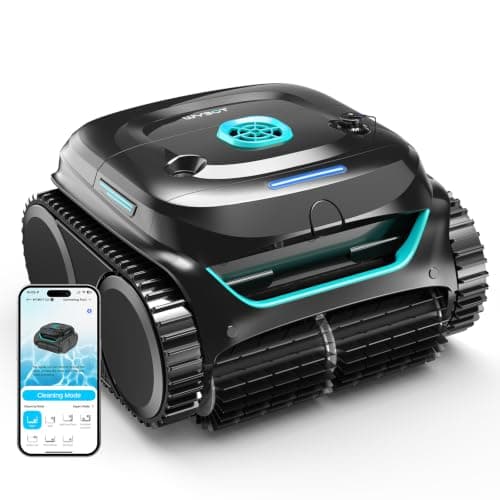
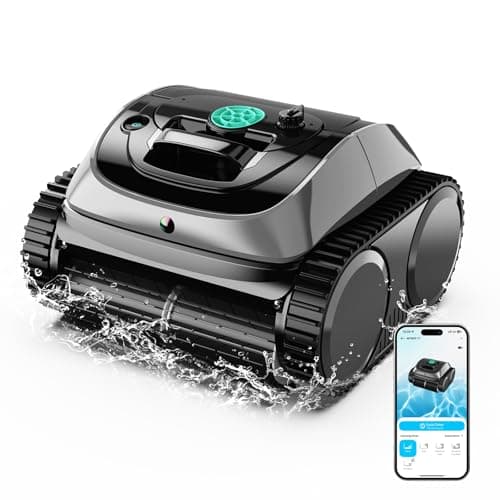
The C1 is the machine we point most above-ground and mid-budget buyers at, and the reason is a combination of three unglamorous facts rather than any headline feature.
160 minutes at $400 is better than most $600 machines
Runtime is the specification that determines whether a cycle finishes, and a robot that covers 70% of your pool and parks leaves the same 30% dirty every single time. WYBOT publishes 160 minutes here. For context, the Aiper Scuba SE at a third of the price publishes 90, and several machines in the $500-600 band publish no runtime figure at all.
Rated for both pool types, which is unusual at this price
Most machines in this band are inground-only or above-ground-only. The C1 is listed for both, which means it survives a pool change, works for a family that has an above-ground pool now and plans an inground one, and is a defensible buy for a rental property where you do not control the pool. It tops our above-ground roundup for exactly this reason.
A replacement battery exists, and that is the real argument
A third-party 6 Ah pack for the C1 sells for around $69. On a $400 machine whose life is otherwise capped by its battery, that converts the most likely failure from an end-of-machine event into a routine consumable. A great many cordless robots at this price have nothing available, and the honest lifespan of those machines is three to four years. The battery section lists what exists for what.
What you are giving up
No waterline pass — the C1 climbs and cleans walls, but the grease line at the waterline stays where it is. And no published micron figure, so fine filtration cannot be compared on paper; if silt or pollen is your problem, the C2 at around $500 publishes a 10-micron layer and is the better machine for that job.
A note on the price: the listing carries a steep discount against a high list price. Judge it on the live figure in the buy button above, not on the struck-through number — which is why every price on this site carries the date it was checked.
How we assessed it, and what we did not do
Every figure in the specification table on this page is attributed: to WYBOT’s published specifications, to the Amazon listing for this exact model, or marked as not published where neither source gives a figure. The score is derived from those published numbers by the five-metric rubric, which is published in full.
We have not physically tested this machine. We do not run a test pool, we do not own this unit, and nothing on this site claims otherwise. What we do instead is show where every number comes from, say plainly who the machine is wrong for, and refuse to print a figure we cannot source. Where owner reports inform a point, they are described as owner reports — never as our own experience.
Who should skip it
Skip the WYBOT C1 if the waterline is your complaint, or you need published fine-filtration — step up to the C2 or the Aiper Obsidian.
That is not a throwaway line. The most expensive mistake in this category is buying a capable machine that is wrong for your pool — and a machine rated below your pool’s area or missing the one capability your debris requires cannot be fixed by any setting.
Alternatives worth considering
- WYBOT C2 — a published 10-micron fine filter layer for about $100 more. Read the review
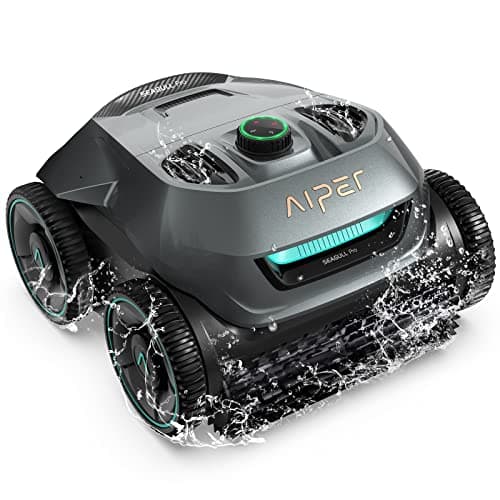
- Aiper Seagull Pro — wall climbing and 150 minutes, rated 1,600 sq ft, at a similar price. Read the review
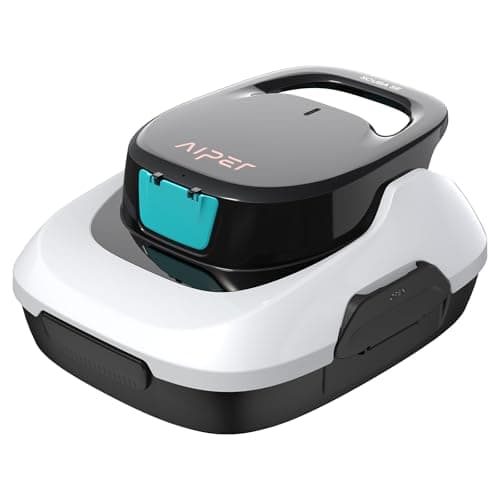
- Aiper Scuba SE — a third of the price if your pool is under 860 sq ft and floor-only is enough. Read the review
If you are still narrowing down, the selector tool works from your pool type, size, surface and dominant debris, and the WYBOT brand guide covers the whole range and where it stops.