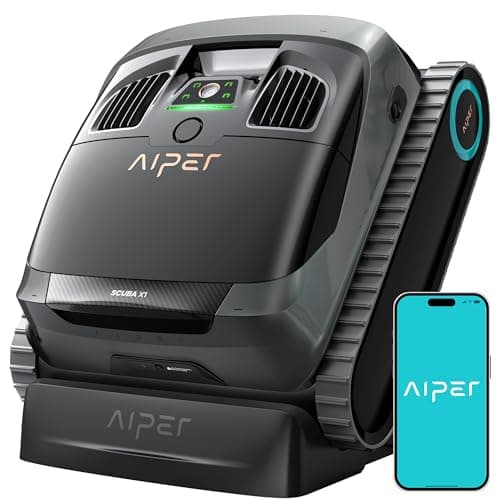
Best Overall
The Best Robotic Pool Cleaners for 2026
The master list: seven robots, matched to pool size, surface and debris.
Top pick: Aiper Obsidian
$799.98$1,399.99· View on Amazon
43% off. Price checked November 6, 2026. #ad How we earn
This is the one decision that changes how long your robot lasts. Everything else is a feature; this is the architecture.
By Mike M. · Published November 6, 2026 · Last updated November 6, 2026
How this page is funded: we earn an Amazon commission on qualifying purchases made through links here, at no extra cost to you. It does not change which products we pick or the order we rank them in — here is the method and the full disclosure. Prices are live from Amazon, checked November 6, 2026.
Cordless carries the better current specifications and nothing to set up. Corded has no battery, so it routinely outlives two cordless machines. Buy cordless under about 2,200 sq ft on a four-to-five-year horizon; buy corded above that, or if you measure value over a decade.
The master list and the two architecture routes. Read the comparison first if you have not decided between them. Prices are live from Amazon, checked November 6, 2026.
Best Overall
The master list: seven robots, matched to pool size, surface and debris.
Top pick: Aiper Obsidian
43% off. Price checked November 6, 2026. #ad How we earn
Best Cordless
Six cordless robots ranked on runtime, rated area and filtration.
Top pick: Aiper Obsidian
43% off. Price checked November 6, 2026. #ad How we earn
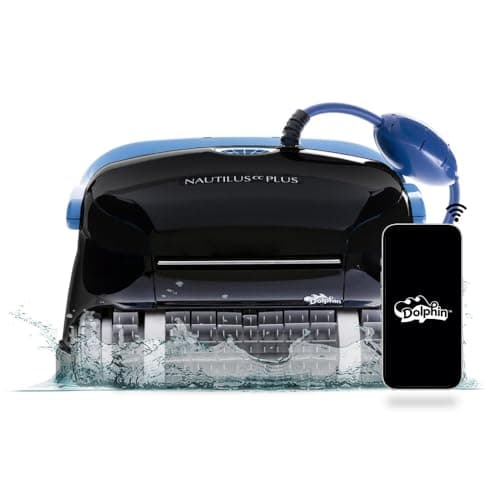
Best Corded
Five corded robots, ranked by rated length, filtration and parts support.
Top pick: Dolphin Nautilus CC Plus
Price checked November 6, 2026. #ad How we earn
Three categories that are not floor robots at all, and are frequently the right answer alongside one. Prices are live from Amazon, checked November 6, 2026.
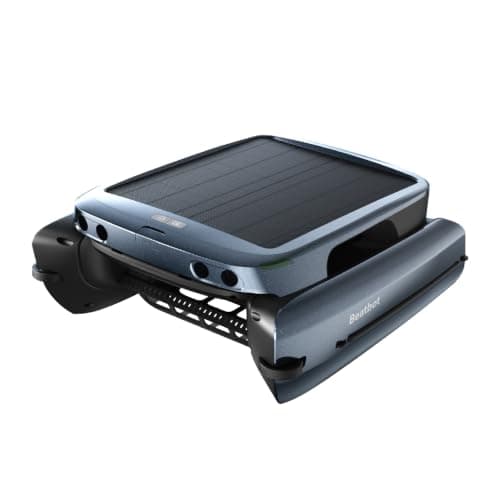
Best Skimmer
Three solar skimmers compared on the one spec that matters: basket volume.
Top pick: Beatbot iSkim
16% off. Price checked November 6, 2026. #ad How we earn
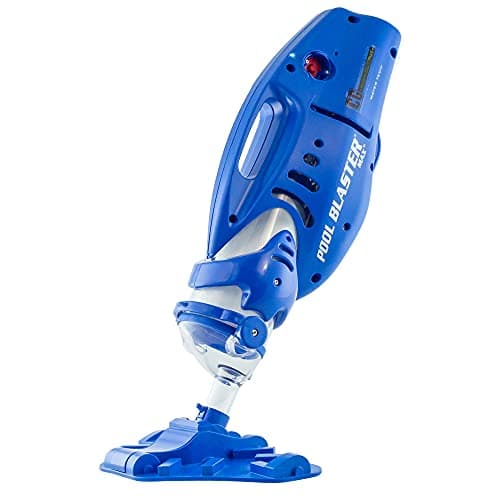
Best Handheld
Three handhelds for spa, spot and step cleaning.
Top pick: Pool Blaster Max CG
Price checked November 6, 2026. #ad How we earn
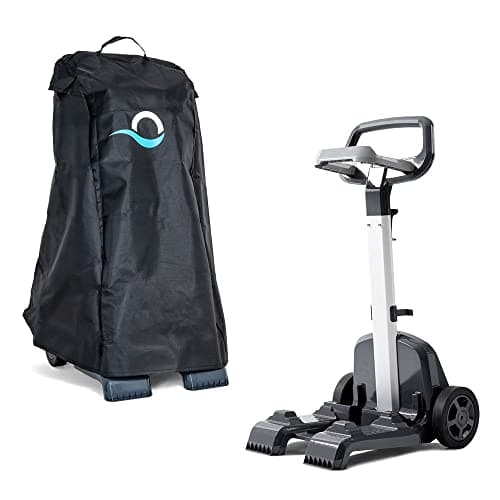
Best Gifts
Seven gifts for a pool owner, with the question to ask first.
Top pick: Dolphin Universal Caddy + Classic Cover Bundle
Price checked November 6, 2026. #ad How we earn
Organized by live Amazon price, so these lists change. Each one names the compromise you are making at that price. Prices are live from Amazon, checked November 6, 2026.
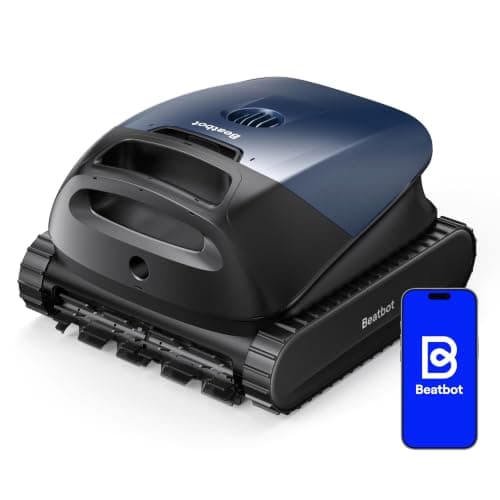
Best Under $500
Six picks under $500, with the compromise named at each step.
Top pick: Beatbot Sora 10
29% off. Price checked November 6, 2026. #ad How we earn
Best Under $1,000
Six picks under $1,000 — the tier where the good features arrive.
Top pick: Aiper Obsidian
43% off. Price checked November 6, 2026. #ad How we earn
Most differences between pool robots are features. This one is architecture, and it decides how long you own the machine. It is worth getting right before you compare anything else.
The better specification. The highest published suction on this site (8,500 GPH, Aiper X1 Pro Max) is cordless. The only published 3-micron filtration is cordless. Charging docks, camera mapping, surface skimming, tap-to-retrieve and platform modes are all cordless features. Ranked purely on capability per dollar today, the top of the list is cordless.
Nothing to set up. No cable in the water, no transformer to site, no coiling afterwards. That difference is why cordless machines get run more often than corded ones — and a robot that runs three times a week beats one that runs once because it is a hassle. Frequency is what removes debris: once the basket is full, the rest of a cycle collects nothing.
Pool shape tolerance. No cable means no cable twist, which on a freeform or kidney-shaped pool is a weekly annoyance that never goes away.
No battery. The dominant failure mode of a cordless pool robot is a lithium pack that has spent three or four summers cycling in warm chlorinated water. Owner reports across brands cluster around noticeable runtime decline by year three. When the pack goes, the machine is either a $70-80 repair — if anyone sells a replacement for that model — or scrap.
A corded machine has no pack. Its wear items are brushes (about $23), tracks (about $35), filter cartridges (about $26 for four) and, eventually, a power supply or motor assembly — all numbered, stocked components. The parts section lists every one of them. That is why owner reports on the Maytronics line routinely describe seven-to-ten-year service lives.
No runtime limit. On a pool over about 2,200 sq ft a cordless machine has to charge mid-job, and the half it does second is always the same half. Above 40 feet, corded is not really a choice.
Three things, and it is worth being honest about all of them.
Before buying any cordless machine, check whether a replacement battery for that specific model is sold. Third-party 8 Ah packs exist for the Aiper Scuba S1 at around $80 and 6 Ah packs for the WYBOT C1 at around $69. For Beatbot, and for the newest Aiper and WYBOT models, nothing exists yet.
Where a pack is available, cordless is a six-to-eight-year purchase and the spec advantage is real. Where it is not, you are buying a three-to-four-year machine and should price it that way against a corded Dolphin. The battery section lists what exists.
One more cheap insight while you are there: a failed charger is far more common than a failed pack, costs about $10, and produces an identical symptom. Test that before you spend $80.
Two categories on this hub are frequently the right answer alongside a floor robot rather than instead of one.
Solar surface skimmers work the water’s surface all day at no running cost. Debris caught floating never sinks, never stains and never loads your filter, which makes interception the highest-leverage intervention available for a tree-shaded pool. The best combination on this site is a corded floor machine plus a solar skimmer — it removes more total debris than most single flagships and costs less. The skimmer roundup.
Cordless handheld vacuums are the tool for a spa, a step, a bench or a defined patch of sand your robot keeps driving past. For a plunge pool or hot tub under about 150 sq ft they are the primary tool, not the secondary one. The handheld roundup.
A robot does not kill algae — chemistry does. It does not replace your main filter or your circulation. It will not clean steps, benches, behind ladders or the skimmer throat. And it will not swallow acorns, cones or rigid twigs, which jam every robot intake regardless of price — that debris needs a pressure-side cleaner.