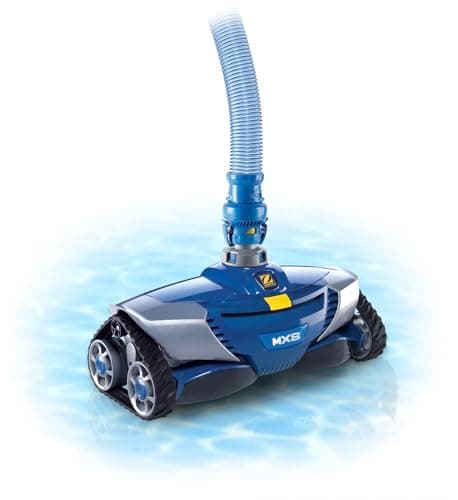
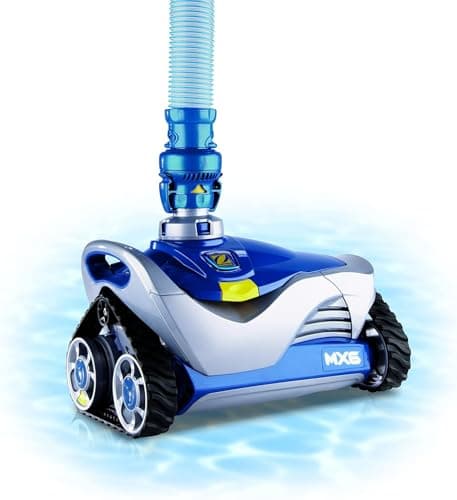
The MX8 is the MX6 scaled up, and the two specifications Zodiac adds are exactly the two that matter.
39 feet of reach
This is a published figure, which the MX6 does not have, and it covers a large residential pool without needing a booster pump. For a 35-foot pool with a suction line and a reasonable pump, the MX8 is a genuinely capable automatic cleaner at a cost no robot matches on longevity.
Rated for every inground surface
Zodiac states traction on all inground surfaces explicitly, and this is where the MX8 has a real argument against robots. A rough pebble or exposed-aggregate finish is effectively sandpaper: it grinds robot brushes down in a single season, which is why brush availability and price dominate the pebble-pool recommendation.
A suction cleaner has no brush compound to destroy and treads that grip texture well. On that surface the abrasion that costs a robot a set of brushes every year costs the MX8 almost nothing. Over ten years on a pebble pool, that is a meaningful difference.
The usual suction-cleaner trade
Everything it picks up goes into your pump basket and then your filter, so you clean those more often — and on a sand filter, backwashing dumps treated water. Your pump runs throughout, and the pump is the large electrical load in pool care, not the cleaner. There is no wall or waterline cleaning, and no filtration of its own, so fine silt and dead algae are beyond it.
The honest price comparison
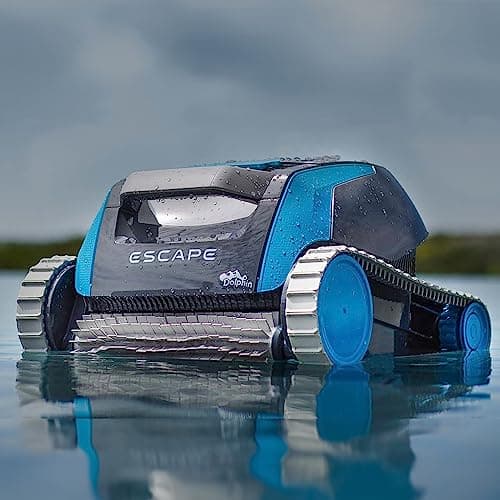
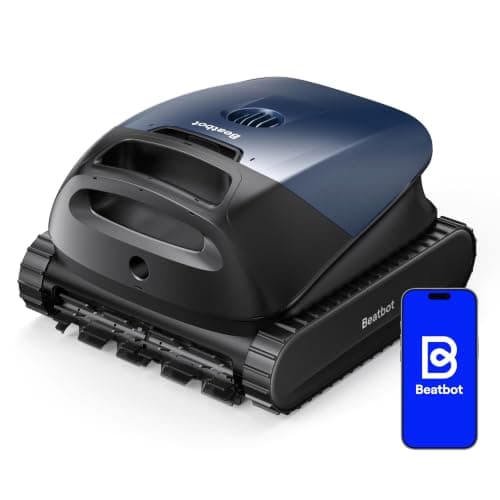
At around $680, the MX8 costs more than the Beatbot Sora 10 (6,800 GPH, 5-liter basket, five hours, floor-wall-waterline) and about the same as the Dolphin Escape (large top-load bin, HyperGrip tracks, no battery, 33 ft). Against either of those on capability it loses clearly.
What it wins on is service life. No electronics, no battery, no seals holding water out of a motor. Fifteen years is a normal expectation, and a refresh is a set of wear parts and a hose. If you have a rough pebble pool, a pump with flow to spare, and you would rather buy once than buy a robot twice, that is a defensible choice — and the full comparison sets out both sides.
How we assessed it
Every figure in the specification table on this page is attributed: to Zodiac’s published specifications, to the Amazon listing for this exact model, or marked as not published where neither source gives a figure. The score is derived from those published numbers by the five-metric rubric, which is published in full.
This assessment is built from Zodiac’s published specifications, recognized industry standards and verified owner feedback, scored on our published rubric. Every number shows where it came from, the page says plainly who the machine is wrong for, and no figure appears that we cannot source. Where owner reports inform a point, they are described as owner reports. Where independent laboratory or standards work exists for a figure, it is cited by name.
Who should skip it
Skip the Zodiac MX8 if you want water filtration or wall cleaning. On a rough pebble surface this is a sensible buy; on plaster or vinyl, a robot is better value.
That is not a throwaway line. The most expensive mistake in this category is buying a capable machine that is wrong for your pool — and a machine rated below your pool’s area or missing the one capability your debris requires cannot be fixed by any setting.
Alternatives worth considering
- Zodiac MX6 — under $400 and more maneuverable, if your pool is small. Read the review
- Dolphin Escape — a corded robot with a large top-load bin and no battery, at a similar price. Read the review
- Beatbot Sora 10 — a cordless robot with a 5-liter basket and waterline coverage, for less. Read the review
If you are still narrowing down, the selector tool works from your pool type, size, surface and dominant debris, and the Zodiac brand guide covers the whole range and where it stops.