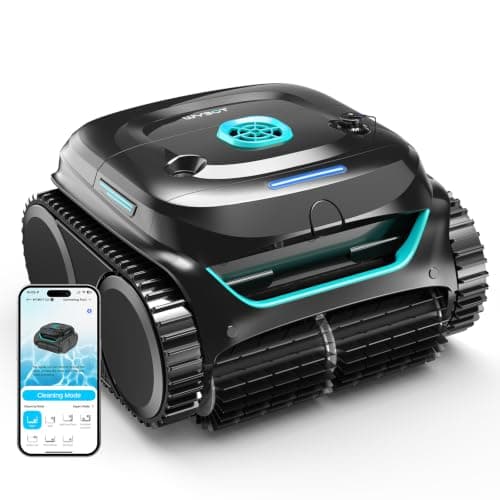
The C2 is on this site mainly because of one number and one piece of architecture, and both deserve explaining because they are the thing most buyers in this price band never check.
The number: a published 10-micron layer
Nothing else under $500 publishes a fine filtration figure anywhere near this. For context: pool sand runs roughly 100-500 microns, silt and pollen 2-50, and dead algae a few microns. A standard 180-micron basket passes all of the fine fraction straight back into the water — which is exactly why “it just pushes the sand around” is the most common complaint in this category and is a filtration problem, not a suction problem.
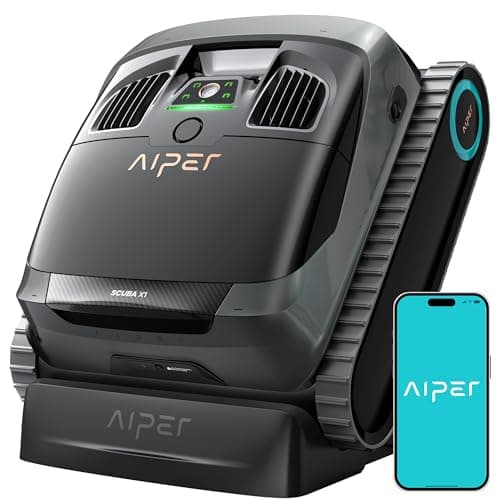
Only the 3-micron Aiper flagships beat this figure, and they cost $800 and up. The sand and silt roundup ranks on exactly this spec.
The architecture: staged, not single-element
This is the part that makes the number real in use. A single very fine filter in a real pool blinds within one cycle, because leaf fragments and hair plug the mesh long before sediment fills the basket — at which point flow collapses and your fine-filtration machine performs worse than a coarse one.
The C2 puts a 180-micron coarse layer in front of the 10-micron fine layer. The coarse layer intercepts the leaf litter so the fine layer keeps flowing, which means you get the 10-micron rating for the whole cycle rather than the first twenty minutes. Given the choice between a single very fine element with a better headline figure and a staged coarse-over-fine design, take the staged one — the filtration explainer goes into why.
2,152 sq ft per cycle
WYBOT publishes coverage per cycle rather than a rated pool size, which is arguably the more useful figure. 2,152 sq ft covers a large residential pool including the walls in one run — comfortably more than most machines at this price, which cluster around 1,600 sq ft.
What it does not do
No waterline pass. It cleans walls; the grease line stays. And the fine layer loads fast by design, so you will be rinsing after most runs — that is the filter working, not a fault, but it is a real ownership cost in effort. The rinse method matters: pressure-washing a fine mesh stretches it and quietly destroys the rating.
How we assessed it, and what we did not do
Every figure in the specification table on this page is attributed: to WYBOT’s published specifications, to the Amazon listing for this exact model, or marked as not published where neither source gives a figure. The score is derived from those published numbers by the five-metric rubric, which is published in full.
We have not physically tested this machine. We do not run a test pool, we do not own this unit, and nothing on this site claims otherwise. What we do instead is show where every number comes from, say plainly who the machine is wrong for, and refuse to print a figure we cannot source. Where owner reports inform a point, they are described as owner reports — never as our own experience.
Who should skip it
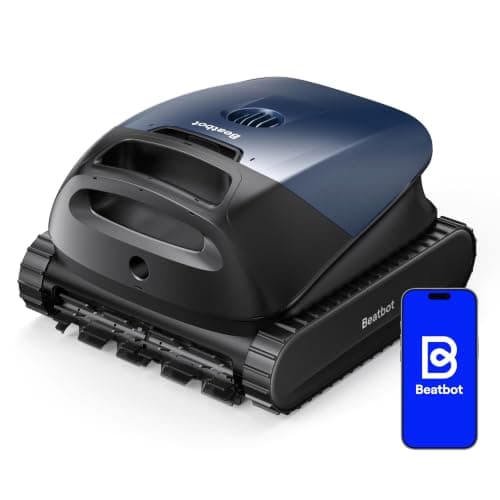
Skip the WYBOT C2 if your debris is all coarse leaves — you will be rinsing a fine filter you did not need. The Beatbot Sora 10 is the better leaf machine.
That is not a throwaway line. The most expensive mistake in this category is buying a capable machine that is wrong for your pool — and a machine rated below your pool’s area or missing the one capability your debris requires cannot be fixed by any setting.
Alternatives worth considering
- Aiper Obsidian — 3-micron filtration, 180 minutes and a charging dock for about $300 more. Read the review
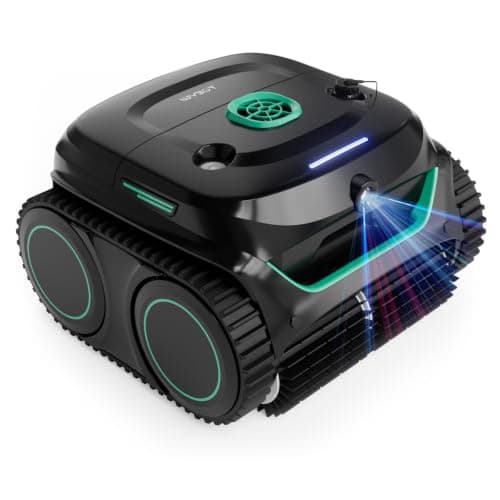
- WYBOT C2 Vision — adds a camera and a waterline pass, but drops the explicit 10-micron claim. Read the review
- Beatbot Sora 10 — the opposite trade — a 5-liter basket and coarse 150-micron filtration, for leaves. Read the review
If you are still narrowing down, the selector tool works from your pool type, size, surface and dominant debris, and the WYBOT brand guide covers the whole range and where it stops.