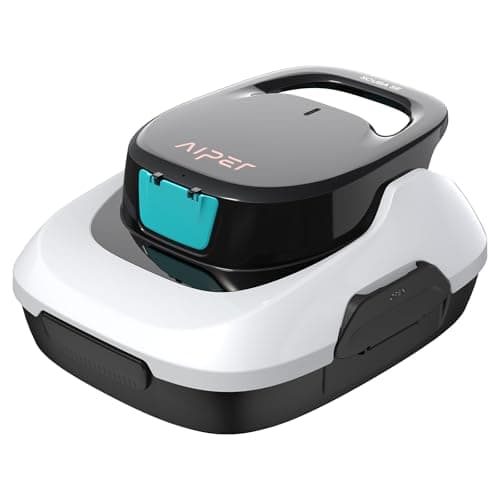
The Scuba SE matters because it is the price point at which an automatic pool robot stops being a considered purchase. Under $150 is handheld-vacuum money, and this is a robot.
What 860 sq ft actually covers
A 24 ft round above-ground pool has about 450 sq ft of floor — so 860 sq ft covers it with substantial margin. An 18 × 33 ft rectangular frame pool is roughly 594 sq ft of floor, also within range. A 16 × 32 ft inground pool is 512 sq ft of floor, which fits, though you are not getting the walls anyway.
Where it does not fit: anything approaching 900 sq ft of floor, or any pool where you want total wetted surface (floor plus walls) covered. Checking this figure against your own pool is the single most important thing to do before buying any robot — it is the first gate, and buying under it cannot be fixed by any setting.
Floor only, and that is honest rather than cheap
The SE does not climb. On an above-ground pool that is arguably correct: above-ground walls are thin vinyl liner over steel or resin, and aggressive wall scrubbing is a genuine risk to the liner. Maytronics takes the same view with its own above-ground model, deliberately staying off the walls.
On an inground pool, floor-only means you will be hand-brushing the walls and waterline — which is five or ten minutes a week rather than nothing. The brushing guide covers what a floor-only robot leaves you.
Light enough to actually get used
This is underrated. On an above-ground pool you lift the machine over a four-foot wall, often from a ladder, usually reaching across water. A 29 lb inground flagship is not a reasonable thing to do that with twice a week, and in practice people stop. The SE is light enough to lift one-handed, which means it gets used — and a cheap robot that runs three times a week beats an expensive one in the shed.
Self-parking helps the same way: it comes to the edge rather than sitting in the middle for you to wade after.
The 180-micron limit
Its filter tray is 180 micron, which catches leaves and the coarse fraction of sand and passes silt, pollen and dead algae entirely. For most above-ground pools, whose debris is grass, leaves and insects, that is the right specification. If you are fighting fine sediment, this is the wrong machine and the sand and silt roundup has the right ones.
90 minutes is one cycle
Enough for a clean pool; not enough for a dirty one. On a heavily loaded pool you will run it twice, emptying the tray between — which is the correct technique for any robot anyway, because a full filter mid-cycle means the back half collects nothing.
Parts are cheap and available: replacement filter trays at about $20, 12.6 V chargers at about $10. On a $130 machine, a $10 charger is the difference between a repair and a replacement.
How we assessed it
Every figure in the specification table on this page is attributed: to Aiper’s published specifications, to the Amazon listing for this exact model, or marked as not published where neither source gives a figure. The score is derived from those published numbers by the five-metric rubric, which is published in full.
This assessment is built from Aiper’s published specifications, recognized industry standards and verified owner feedback, scored on our published rubric. Every number shows where it came from, the page says plainly who the machine is wrong for, and no figure appears that we cannot source. Where owner reports inform a point, they are described as owner reports. Where independent laboratory or standards work exists for a figure, it is cited by name.
Who should skip it
Skip the Aiper Scuba SE if your pool has walls you need scrubbed, you are fighting algae or fine silt, or your pool is over about 860 sq ft.
That is not a throwaway line. The most expensive mistake in this category is buying a capable machine that is wrong for your pool — and a machine rated below your pool’s area or missing the one capability your debris requires cannot be fixed by any setting.
Alternatives worth considering
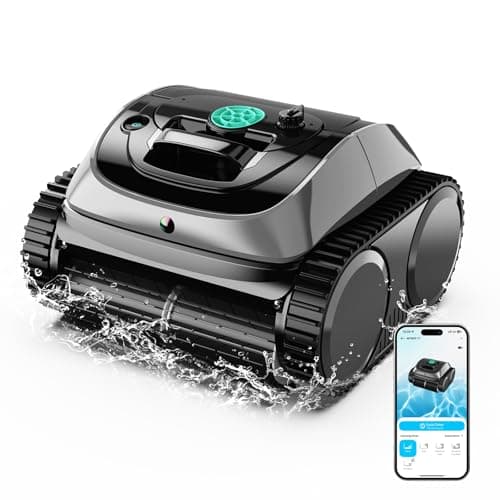
- WYBOT C1 — 160 minutes, app control and wall cleaning for around $400. Read the review
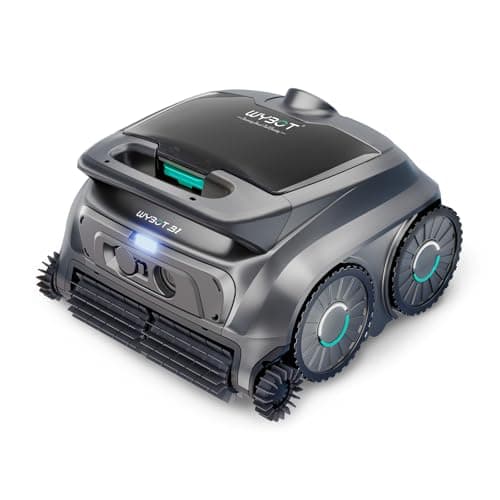
- WYBOT B1 — quad brushes for the cove and wall climbing, at around $335. Read the review
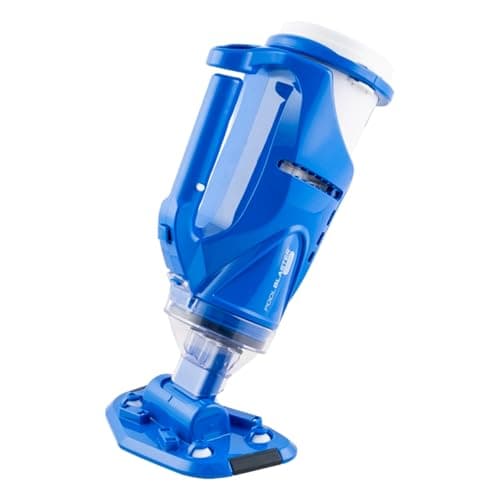
- Pool Blaster Catfish Gen 2 — manual, and the better buy for a spa or a pool under 150 sq ft. Read the review
If you are still narrowing down, the selector tool works from your pool type, size, surface and dominant debris, and the Aiper brand guide covers the whole range and where it stops.