Pebble, PebbleTec-style and exposed-aggregate gunite finishes are the most demanding surface in this category, and the demands run in two directions at once. The texture grips well, which helps climbing. The texture is also abrasive, which destroys brushes and holds debris in places a brush cannot reach.
Brush wear is the running cost
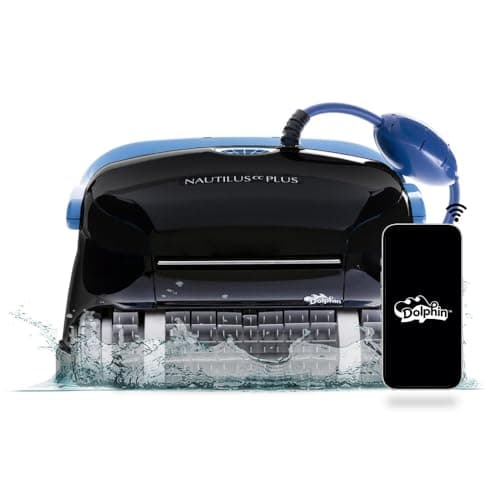
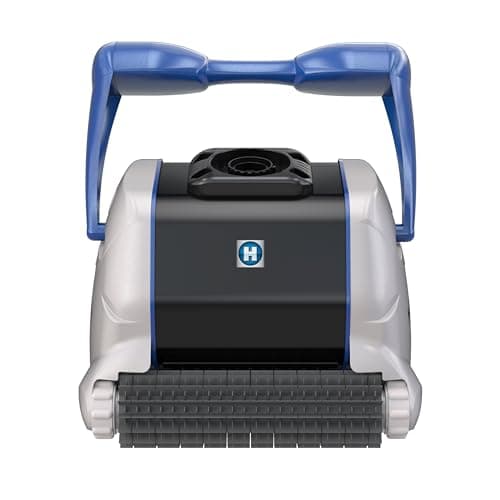
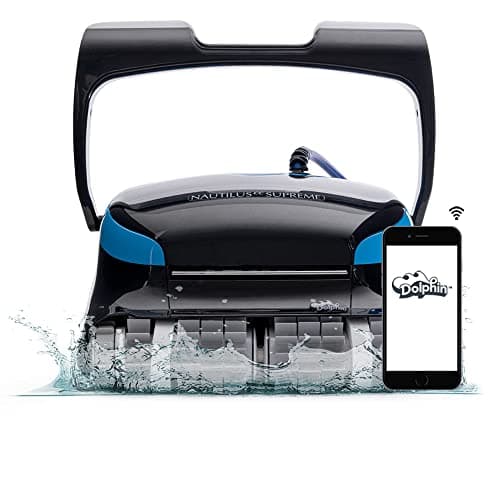
On a plaster or vinyl pool a brush might last two seasons. On a rough pebble finish it will not. The surface is effectively sandpaper, and brush compounds wear at a rate that surprises owners coming from a liner pool. The practical consequence is that brush availability and price matter more than any headline spec — which is why this page leans Maytronics and Hayward. A Dolphin brush is about $23 and a pair is about $30; several cordless competitors do not sell replacement brushes at all, and on this surface that is a two-season machine. The brush section has the part numbers.
Texture holds debris a brush cannot reach
Fine sediment and algae settle into the interstices between the aggregate. A brush passes over the high points; the valleys stay loaded. This is why pebble pools can look clean and still cloud up when disturbed, and why no cleaner on any budget will give you the swept-clean look a plaster pool gets. Managing expectations here is more useful than spending more: the goal is to keep the load down, not to eliminate it.
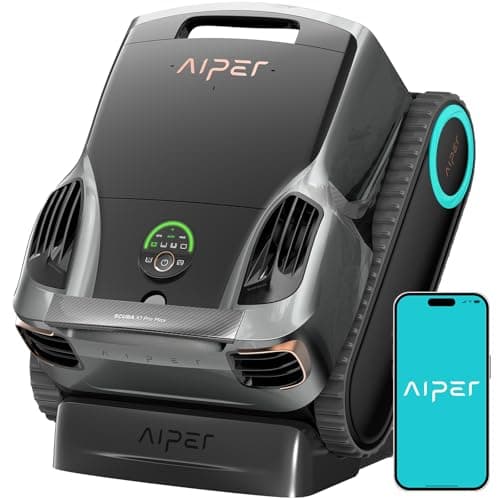
Pair a competent scrubbing machine with genuinely fine filtration so the sediment youdo lift is captured rather than redistributed. The Aiper Scuba X1 Pro Max is on this page for that reason, and the sand and silt roundup goes into the filtration side.
Why suction cleaners remain competitive here
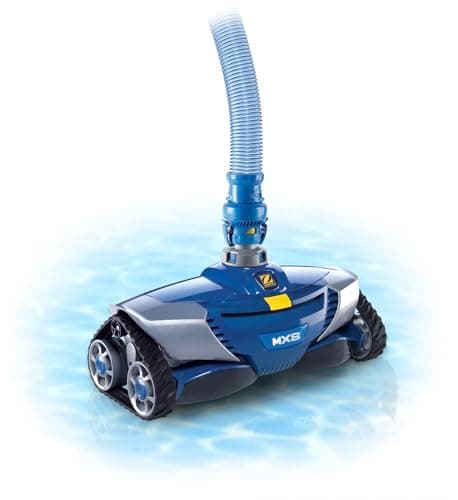
On most surfaces a suction cleaner is an inferior choice: it sends debris into your filter and does not clean the water. On rough pebble, two of its weaknesses stop mattering. It has no electronics and no brushes to grind down, so the abrasive surface costs it almost nothing. And its wheels or treads actually grip the texture well. The Zodiac MX8 is rated for all inground surfaces with explicit traction claims, reaches 39 ft, and will outlive every robot on this page — it just needs your pump running. Robotic versus suction, compared properly.
Grit in the drivetrain
One maintenance habit specific to this surface: rinse the tracks and wheel bearings regularly. Aggregate grit works into the drivetrain and accelerates wear far more than chlorine does. Two minutes with a hose after a cycle is the highest-return maintenance action available on a pebble pool.
Black algae and plaster brushing
Gunite and pebble are the surfaces where black algae roots into the finish, and that is a hand-brushing job with a stiff brush plus targeted treatment — no robot handles it. The robot’s role is the aftermath. The wall-algae guide and the still-need-to-brush guide both cover it.