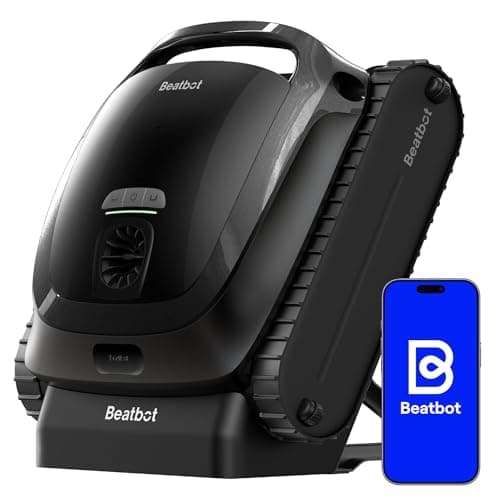
The ring at your waterline is not dirt. It is a film of body oil, sunscreen, airborne pollen and cosmetic residue, deposited by water movement at the air-water interface and then bound into a greasy layer. It is the most visible thing in a pool and the thing most robots do worst.
Climbing is not cleaning
This is the distinction the category obscures. A great many robots climb walls — it is on nearly every box in this price range. Climbing means the machine drives up a vertical surface and generally continues to the waterline before releasing. In doing so it drags its brush through the grease film once, in a vertical direction, and typically smears it rather than lifting it.
Actual waterline cleaning is a different motion: the machine holds position at the line and travels along it, scrubbing horizontally, with enough passes to break the film. The machines on this page publish exactly that:
- Beatbot AquaSense 2 — a double-pass waterline scrub per cycle. Two passes is the meaningful number: one smears, two lift.
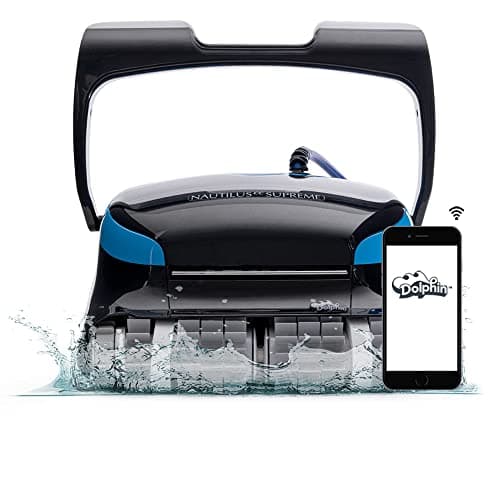
- Dolphin Nautilus CC Supreme — a dedicated waterline scrubber brush, as a distinct component rather than the floor brush doing double duty.
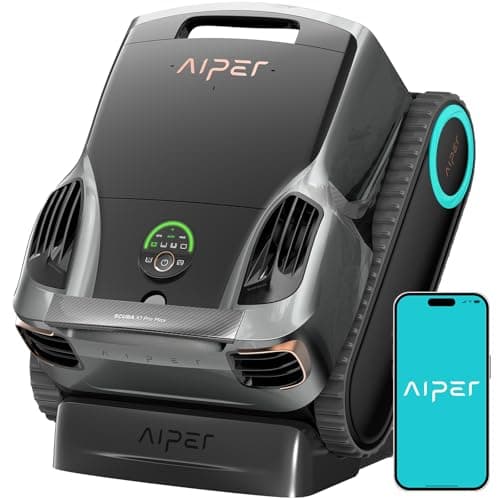
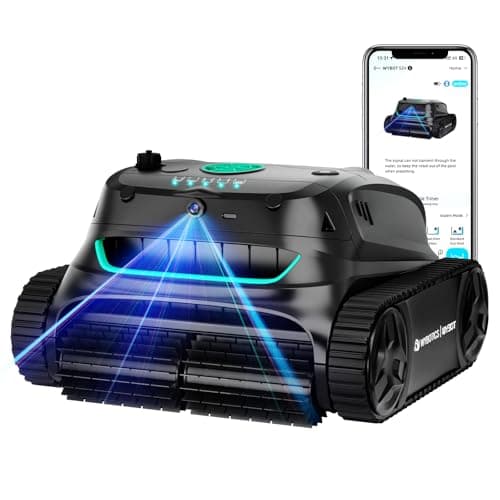
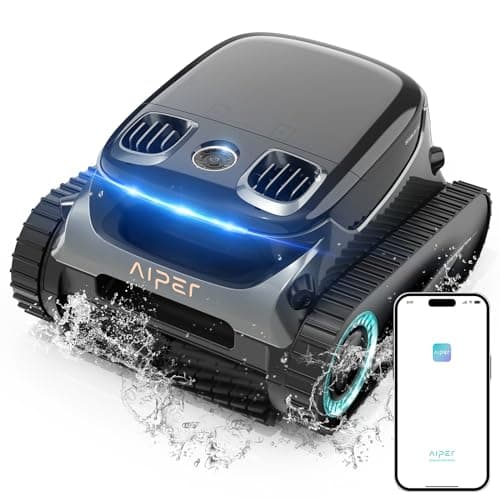
- Aiper Scuba S1 Pro / X1 / X1 Pro Max and WYBOT S2 Vision — a horizontal waterline pass.
If a listing says “wall climbing” and says nothing about the waterline, assume it does not clean the waterline. That is not cynicism — it is how these listings are written. The wall-climbing guide explains the mechanics.
Why the film comes back so fast
Because it is continuously replenished by swimmers and by the air. A waterline pass every cycle keeps it from establishing; a monthly deep clean just resets a problem that rebuilds within a week. This is one of the few cases where running the robot more often is directly, visibly effective.
Water level matters too. If your level drops two inches, the robot’s waterline pass is now two inches above the actual line and achieves nothing, while a fresh ring forms lower down. Keep the level consistent and the pass lands where it should.
Surface type changes what is possible
On tile, a brush pass plus the right chemistry keeps the line genuinely clean. On vinyl, be gentler: an aggressive brush compound on a thin liner is a real risk, which is why we flag it on the vinyl-liner roundup. On rough pebble or exposed-aggregate finishes the film gets into the texture and no machine will fully remove it — a periodic hand clean with a dedicated tile-and-vinyl product is part of owning that surface.
What a robot will not do
It will not clean behind the skimmer throat, around light niches, in the corners of steps, or the first inch under the coping where the brush cannot reach at an angle. Those are hand jobs and always will be — the waterline cleaning guide covers the manual method.