Skip to content
Robot PoolCleaner Picks

The Best Cordless Pool Cleaners

No cable, no transformer, no power supply to site. One battery, which is the whole trade — here is how to pick a cordless robot that is still working in year four.

By Mike M. · Published November 6, 2026 · Last updated November 6, 2026

How this page is funded: we earn an Amazon commission on qualifying purchases made through links here, at no extra cost to you. It does not change which products we pick or the order we rank them in — here is the method and the full disclosure. Prices are live from Amazon, checked November 6, 2026.

The Aiper Obsidian is the best cordless pool cleaner: 180 minutes of runtime, 6,600 GPH, 3-micron filtration and a charging dock so it never needs lifting out. For under $500 the Beatbot Sora 10 gives you five hours and a 5-liter basket instead.

At a glance

Quick picks

Tap any row for the full write-up. Prices are live from Amazon, checked November 6, 2026.

#ProductBest forScorePrice
1
Aiper Obsidian

Aiper Obsidian

Aiper · 6,600 GPH

Best cordless overall8.9out of 10
$799.98$1,399.99· View on Amazon

43% off. Price checked November 6, 2026. #ad How we earn

2
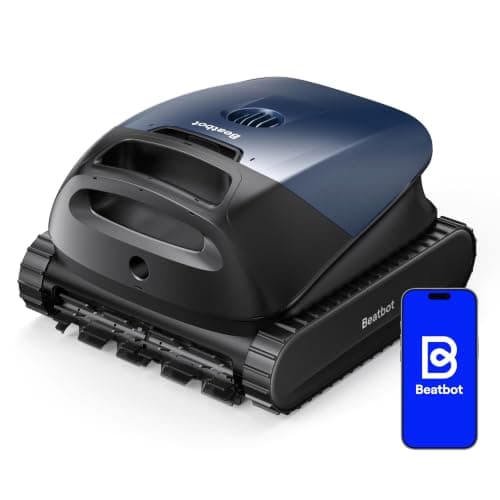
Beatbot Sora 10

Beatbot Sora 10

Beatbot · 6,800 GPH

Best runtime per dollar8.5out of 10
$499.00$699.00· View on Amazon

29% off. Price checked November 6, 2026. #ad How we earn

3
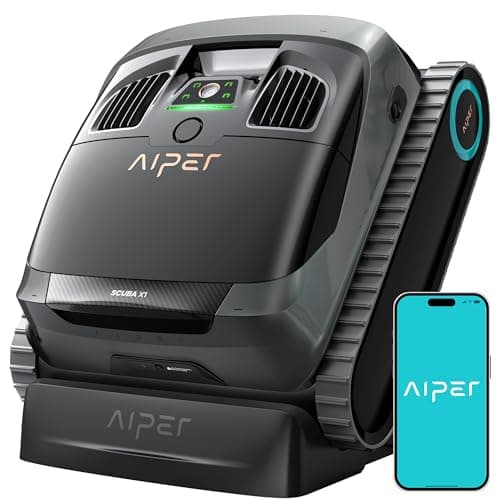
Aiper Scuba V3

Aiper Scuba V3

Aiper · AI vision (camera-based) with AI Patrol

Best hands-off ownership8.0out of 10
$849.99$949.99· View on Amazon

11% off. Price checked November 6, 2026. #ad How we earn

4
WYBOT C2

WYBOT C2

WYBOT · Dual filter: 10 micron and 180 micron

Best fine filtration under $5007.8out of 10
$499.99· View on Amazon

Price checked November 6, 2026. #ad How we earn

5
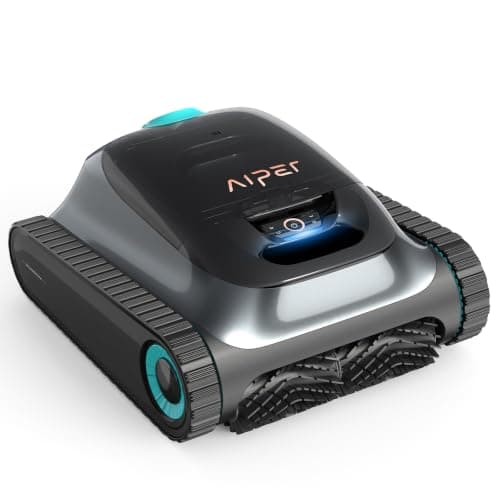
Aiper Scuba S1

Aiper Scuba S1

Aiper · Cordless, rechargeable battery

Best mid-range all-rounder7.6out of 10
$599.99· View on Amazon

Price checked November 6, 2026. #ad How we earn

6
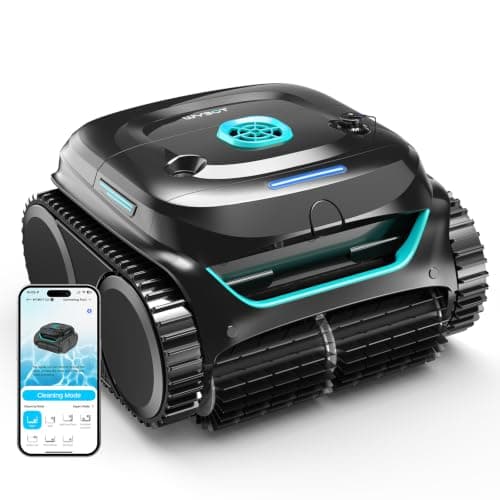
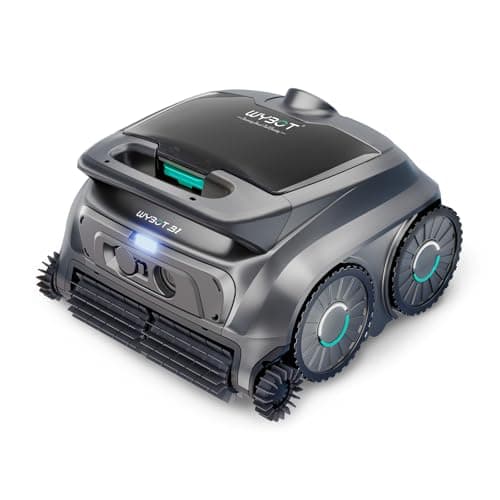
WYBOT B1

WYBOT B1

WYBOT · Quad-roller brushes for edge cleaning

Best cheap wall climber7.1out of 10
$334.99$379.99· View on Amazon

12% off. Price checked November 6, 2026. #ad How we earn

What actually decides this

Cordless is now the default in this category, and for most buyers it is the right default. There is no transformer to find a dry spot for, no cable to coil, and nothing that limits the robot to a straight-line pool shape. The machine goes in, it runs, it comes out.

The cost is a lithium battery working in warm chlorinated water for several hundred cycles. That is the single thing worth thinking hard about before you spend, and almost no review mentions it.

The battery question nobody asks

Ask two things before you buy any cordless robot. First: does a replacement pack exist? For the Aiper Scuba S1 and the WYBOT C1, third-party 8 Ah and 6 Ah packs are already on the market for roughly $70-80 — which turns a dead robot into a $75 repair instead of a $500 replacement. For several competing models, nothing exists, and when the pack goes the machine is scrap. We list what is actually available in the battery section.

Second: is the charger the failure point? In practice a $10 charger fails far more often than a $300 battery, and the symptom is identical — the robot will not charge. Before concluding you need a pack, swap the charger. The won’t-charge diagnostic runs through it in cheapest-first order.

Runtime versus rated area — read both

Manufacturers publish runtime in minutes and coverage in square feet, and the two are not interchangeable. A 90-minute robot rated for 860 sq ft (the Aiper Scuba SE) and a 160-minute robot rated for a similar area (the WYBOT C1) differ because the second one is moving more slowly and covering ground more thoroughly, or because it is also climbing walls. What you actually want is runtime long enough to finish your pool in one cycle. A robot that gets 70% of the way and parks is worse than a slower one that finishes, because the 30% it never reaches is always the same 30%.

The charging-dock models are a different product

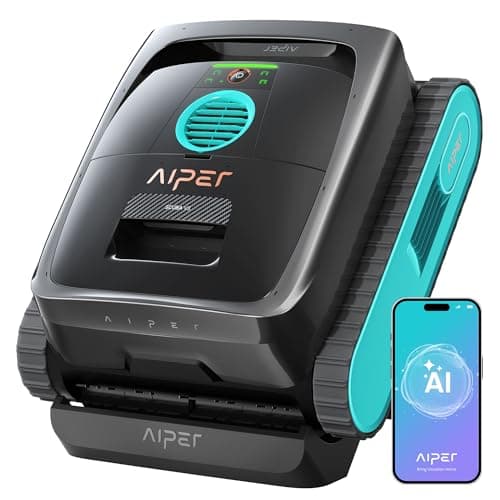
The Aiper Scuba V3 and Obsidian ship with a wireless charging dock, and it changes ownership more than any other feature on this page. The robot returns to the dock, charges, and runs again — so the chore that actually stops people using their robot (lifting a wet 20 lb machine out, carrying it to an outlet, remembering to carry it back) disappears. If you have somewhere sensible to site a dock, it is worth more than most spec upgrades.

Where cordless is the wrong answer

  • Pools over about 2,200 sq ft. Even the longest-running cordless unit here has to charge mid-job. A corded Dolphin never does — see the large-pool roundup.
  • Daily-use or shared pools. A pack cycled every day ages in seasons, not years. Corded is the correct architecture for an HOA or rental pool.
  • Buyers who want a ten-year machine. That is the corded list, and it is not close.

Winterizing a cordless robot

Store the pack at roughly half charge, indoors, above freezing. A lithium pack left flat in an unheated garage over a northern winter can drop below its safe floor voltage and refuse to take a charge in spring — which gets reported as “the battery died over winter” and is really a storage problem. Rinse the filter, dry it fully before it goes away, and keep the robot out of direct sun: UV embrittles the shell faster than chlorine does.
The picks in full

Aiper Obsidian

Best cordless overall

6,600 GPH, 3-micron MicroMesh filtration, a charging dock and 180 minutes — the spec sheet of a flagship at the price of a mid-range unit, and the best value on this site when the discount holds.

Spec score

8.9/ 10 — derived from published specs, see the rubric
Debris capacity
8.0
Surface coverage
8.5
Filtration
10.0
Runtime & coverage
8.5
Value for spec
9.5

Published specifications

Suction6,600 GPH(retailer listing)
Filter rating3 micron MicroMesh(retailer listing)
PowerCordless, 180-minute rated runtime(retailer listing)
ChargingWireless charging dock(retailer listing)
Surfaces cleanedFloor, walls and waterline(retailer listing)
Pool typeInground(retailer listing)

What works

  • 3-micron filtration plus 6,600 GPH is flagship-tier on paper
  • Full floor-wall-waterline coverage, not floor-and-walls
  • 180 minutes covers a large pool without a mid-cycle recharge
  • Charging dock, so no lifting it out between runs

What doesn't

  • A 2026 model with a short public track record — owner reports are thin
  • The listed discount is deep, which means the undiscounted price is not the price to judge it on
  • Inground only

Who should skip this

Skip this one if you want a model with several seasons of owner feedback behind it, or your pool is above-ground.

Beatbot Sora 10

Best runtime per dollar

6,800 GPH, a 5-liter basket and five hours of runtime for under $500 — the best published capacity-per-dollar on this site, with a coarse 150-micron filter as the compromise.

Spec score

8.5/ 10 — derived from published specs, see the rubric
Debris capacity
9.0
Surface coverage
8.5
Filtration
6.0
Runtime & coverage
9.5
Value for spec
9.5

Published specifications

Suction6,800 GPH(retailer listing)
PowerCordless, 5-hour rated runtime(retailer listing)
Basket5 L(retailer listing)
Filter rating150 micron(retailer listing)
Surfaces cleanedFloor, walls, waterline and 12-inch shallow water(retailer listing)
NavigationSonicSense AI obstacle avoidance(retailer listing)
RetrievalAuto waterline parking(retailer listing)

What works

  • A 5 L basket is the largest at this price — it is the single best predictor of leaf performance
  • Five hours of runtime means a heavily loaded pool gets a full cycle plus a second pass
  • Shallow-water capability down to 12 inches handles tanning ledges and beach entries
  • 6,800 GPH matches machines costing three times as much

What doesn't

  • 150-micron filtration is coarse — fine silt, pollen and dead algae will pass through
  • No surface skimming
  • SonicSense is avoidance, not mapping, so coverage is pattern-based

Who should skip this

Skip this one if your debris is fine — sand, silt, pollen or post-treatment dead algae. At 150 micron this machine will stir it rather than remove it.

Aiper Scuba V3

Best hands-off ownership

Aiper's camera-navigated robot with a wireless charging dock, so it returns, recharges and runs again without you touching it — the closest thing here to set-and-forget.

Spec score

8.0/ 10 — derived from published specs, see the rubric
Debris capacity
7.5
Surface coverage
9.0
Filtration
6.5
Runtime & coverage
9.5
Value for spec
7.0

Published specifications

NavigationAI vision (camera-based) with AI Patrol(retailer listing)
ChargingWireless charging dock, 24/7 auto cleaning cycles(retailer listing)
WaterlineSmart waterline parking(retailer listing)
FiltrationMulti-layer filtration(retailer listing)
Filter ratingNot published as a micron figure(not published)
Rated pool sizeNot stated on this listing(not published)

What works

  • The charging dock is the real feature: no lifting a wet robot out to charge it
  • Camera navigation handles odd-shaped pools better than gyroscope path planning
  • Continuous auto cycles keep a heavy-debris pool ahead of the fall

What doesn't

  • No published micron rating and no published rated pool area
  • A camera in a pool is one more thing to keep clean and one more thing to fail
  • Dock-based robots need somewhere sensible on the wall to live

Who should skip this

Skip this one if you want a published filtration figure, you have nowhere to site a dock, or you prefer fewer electronics in the water.

WYBOT C2

Best fine filtration under $500

A 10-micron fine filter alongside a 180-micron coarse layer, covering 2,152 sq ft per cycle — the cheapest machine here that publishes a genuinely fine filtration figure.

Spec score

7.8/ 10 — derived from published specs, see the rubric
Debris capacity
7.0
Surface coverage
6.5
Filtration
8.5
Runtime & coverage
8.5
Value for spec
9.0

Published specifications

Filter ratingDual filter: 10 micron and 180 micron(retailer listing)
Coverage per cycle2,152 sq ft(retailer listing)
PowerCordless(retailer listing)
WallsCleans pool walls(retailer listing)
ControlApp control(retailer listing)
RetrievalAuto parking on low battery(retailer listing)

What works

  • A published 10-micron layer is the standout spec at this price — only the 3-micron flagships beat it
  • The dual-layer design means coarse leaves do not blind the fine mesh
  • 2,152 sq ft per cycle covers a large residential pool in one run
  • Auto-parks when the battery drops instead of dying in the deep end

What doesn't

  • No waterline pass
  • A 10-micron layer loads up fast and needs rinsing after most runs
  • Shorter owner-report history than the Aiper and Dolphin equivalents

Who should skip this

Skip this one if your debris is all coarse leaves — you will be rinsing a fine filter you did not need. The Beatbot Sora 10 is the better leaf machine.

Aiper Scuba S1

Best mid-range all-rounder

The cordless robot most pools should start with: it climbs walls, scrubs the waterline and covers a mid-sized pool on one charge, at roughly half the price of the premium flagships.

Spec score

7.6/ 10 — derived from published specs, see the rubric
Debris capacity
7.0
Surface coverage
8.5
Filtration
6.0
Runtime & coverage
7.5
Value for spec
8.5

Published specifications

PowerCordless, rechargeable battery(retailer listing)
Rated pool sizeUp to 1,600 sq ft, inground or above-ground(retailer listing)
Surfaces cleanedFloor, walls and waterline(retailer listing)
Cleaning modes4 selectable modes(retailer listing)
NavigationSmart navigation (path planning)(retailer listing)
Filter ratingNot published as a micron figure(not published)

What works

  • Waterline scrubbing at a mid-range price — most robots under $600 stop at the walls
  • Rated for 1,600 sq ft, which covers the majority of residential pools
  • Cordless, so there is no power supply to site and no cable to untangle
  • Works in above-ground pools as well as inground

What doesn't

  • Aiper does not publish a micron rating for the filter, so fine-silt performance cannot be compared on paper
  • Battery robots have to be lifted out to charge; a corded Dolphin never does
  • Owner reports on this generation cluster around battery life after two or three seasons

Who should skip this

Skip this one if your pool is over 1,600 sq ft, you need a published fine-filtration figure for silt or pollen, or you would rather not lift a wet robot out after every run.

WYBOT B1

Best cheap wall climber
WYBOT B1 robotic pool cleaner
$334.99$379.99· View on Amazon

12% off. Price checked November 6, 2026. #ad How we earn

Full WYBOT B1 review

Four roller brushes aimed squarely at the floor-to-wall corner, in a light chassis that crosses drains and steps — the pick when your debris collects in the cove.

Spec score

7.1/ 10 — derived from published specs, see the rubric
Debris capacity
6.5
Surface coverage
6.5
Filtration
6.0
Runtime & coverage
7.5
Value for spec
9.0

Published specifications

BrushesQuad-roller brushes for edge cleaning(retailer listing)
CoverageFloor and wall(retailer listing)
ObstaclesHigh obstacle crossing(retailer listing)
WeightDescribed as lightweight; no figure published(not published)
ControlApp control(retailer listing)
Pool typeInground(retailer listing)

What works

  • Quad rollers are a real answer to the cove, where most robots leave a debris line
  • High obstacle crossing means main drains and step returns do not strand it
  • Light enough to lift out without making a job of it
  • Among the lowest-priced wall-climbing robots here

What doesn't

  • No waterline pass
  • No published micron rating and no published weight
  • Newest model in WYBOT's line, so almost no owner feedback yet

Who should skip this

Skip this one if you want the waterline cleaned or a published filtration figure — the C2 is $165 more and publishes 10 micron.

Questions people actually ask

How long do cordless pool cleaner batteries last?

Owner reports across the major brands cluster around three to four seasons before runtime drops noticeably, with heavy users seeing it sooner. Published cycle-life figures are not available from any manufacturer in this category, so treat any specific number you see elsewhere with suspicion. What you can check before buying is whether a replacement pack is sold at all.

Can you leave a cordless pool robot in the pool all the time?

The dock-equipped models are designed for exactly that; most others are not. Continuous submersion accelerates seal wear and keeps the pack warm, which is the worst condition for lithium longevity. The full answer, by model type, is here.

Do cordless pool cleaners climb walls?

Many do, including every machine on this page except the floor-only budget models. Wall climbing depends on brush condition and surface type as much as on the spec — a worn brush on slick fiberglass will not hold. See the wall-climbing guide.

Is a cordless robot powerful enough for an inground pool?

Yes, for pools inside the published rated area. The top cordless units here publish 6,600-8,500 GPH, which matches or beats most corded machines. Power is not the cordless limitation; runtime and battery lifespan are.

How long does a cordless pool cleaner take to charge?

Typically three to five hours from flat, though most manufacturers in this category do not publish a charge-time figure and we will not invent one. The dock models recharge without intervention, which makes charge time largely irrelevant.