Skip to content
Robot PoolCleaner Picks

How to Clean a Pool Without Draining It

Draining is riskier than most people realize — and for almost every problem, including a fully green pool, it is also unnecessary.

By Mike M. · Published November 6, 2026 · Last updated November 6, 2026

How this page is funded: we earn an Amazon commission on qualifying purchases made through links here, at no extra cost to you. It does not change which products we pick or the order we rank them in — here is the method and the full disclosure. Prices are live from Amazon, checked November 6, 2026.

Almost no pool problem requires draining. Remove debris, balance the water, shock, then filter continuously while running a fine-filter cleaner as the water clears. Draining risks a liner shrinking, a shell floating on groundwater, and plaster cracking from UV exposure.

What to look for

Why draining is the wrong first move

It is treated as the obvious reset for a neglected pool, and it carries real risks that are expensive and sometimes permanent:

  • A vinyl liner can shrink and will often not go back. Liners are held in shape by water pressure; empty one in warm weather and it contracts. Refilling can leave it permanently wrinkled or short of the track.
  • A fiberglass or concrete shell can float. An empty shell with high groundwater behind it is a boat. Hydrostatic uplift lifts and cracks pools, and this is not a rare failure.
  • Plaster can craze and crack. Exposed plaster dries unevenly in sun and wind.
  • You dump a lot of treated water, which may also be restricted where you live. The EPA’s WaterSense program is worth a look on the water-use side.
  • Refilling and rebalancing costs money and takes days.

The recovery sequence, water in

  1. Remove bulk debris first, mechanically. Leaf rake across the surface, then across the floor in sweeps toward the shallow end. Do not start with a robot — a carpet of leaves fills its basket in one lap. The leaf guide covers the technique.
  2. Clean your skimmer and pump baskets, and the filter. Start with circulation actually working, not nominally working.
  3. Test and balance. pH first, then alkalinity. Shock chemistry does not work outside a sane range, so this is not an optional step. Use the CDC’s target ranges as the reference.
  4. Brush every surface by hand — walls, floor, steps, behind the ladder, light niches. This breaks the biofilm so the sanitizer can reach the algae beneath it. Skipping this is why shocks fail.
  5. Shock, per the product’s own dosing. Take your robot out first.
  6. Run circulation continuously — 24 hours or more. This is the one phase where long pump run-time is genuinely warranted.
  7. Once chlorine falls back toward normal, run a fine-filter cleaner repeatedly as the water clears. Dead algae is a few microns across; a coarse basket passes it entirely. The algae roundup covers the filtration side.
  8. Add a flocculant if it is still cloudy after a couple of days, then remove the settled material.
  9. Rebalance, and only then swim.

Partial draining, which is sometimes right

Draining a portion — a third, say — is a different proposition and is genuinely useful for diluting high stabilizer (cyanuric acid), high calcium hardness or high total dissolved solids, none of which can be chemically removed. Keep enough water in to maintain pressure on the liner or shell and you avoid the structural risks.

When a full drain is genuinely necessary

  • Replacing a liner.
  • Structural repair to the shell or plaster resurfacing.
  • Water chemistry so far out that partial dilution cannot reach a usable range — a real but uncommon situation.

In every one of those cases, it is a job for a pool professional who will check groundwater and use a hydrostatic relief valve. It is not a DIY weekend.

The honest expectation

A badly neglected pool recovered without draining takes three to seven days of circulation, filtering and repeated cleaner cycles. It is slower than a drain-and-refill and dramatically cheaper and safer. The main thing it asks of you is filter maintenance — you will be rinsing a fine filter after every single cycle, and that is the work.
What to buy, given the above

Our picks for this job

Tap any row for the full write-up. Prices are live from Amazon, checked November 6, 2026.

#ProductBest forScorePrice
1
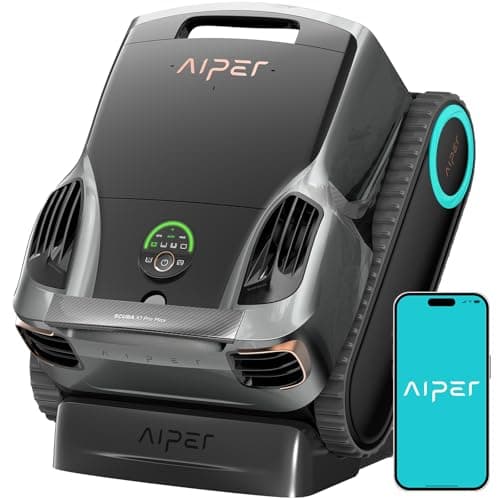
Aiper Scuba X1 Pro Max

Aiper Scuba X1 Pro Max

Aiper · 8,500 GPH

3-micron filtration for recovery9.8/10
$1,599.99$2,199.99· View on Amazon

27% off. Price checked November 6, 2026. #ad How we earn

2
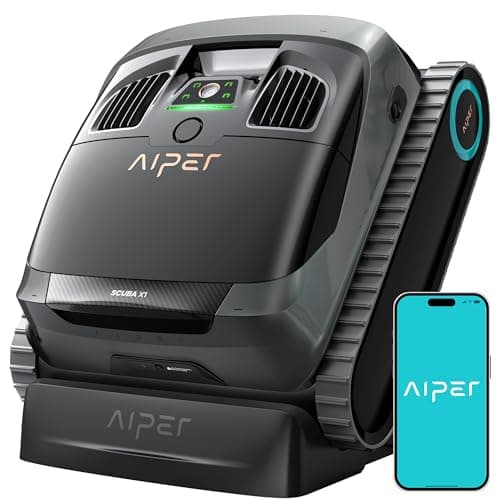
Aiper Obsidian

Aiper Obsidian

Aiper · 6,600 GPH

Best value fine filtration9.8/10
$799.98$1,399.99· View on Amazon

43% off. Price checked November 6, 2026. #ad How we earn

3
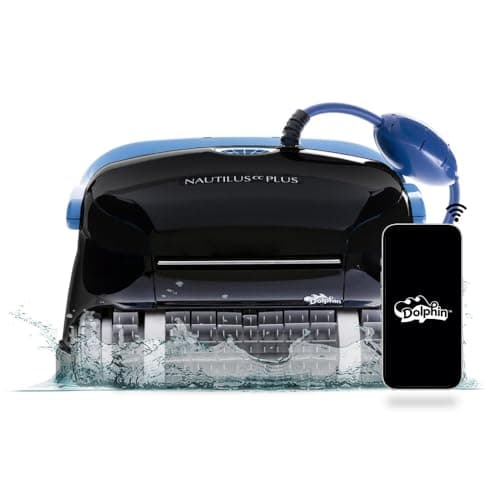
Dolphin Nautilus CC Plus

Dolphin Nautilus CC Plus

Dolphin · Corded, mains power supply — no battery

Cheapest fine filters to run repeatedly9.5/10
$899.00· View on Amazon

Price checked November 6, 2026. #ad How we earn

4
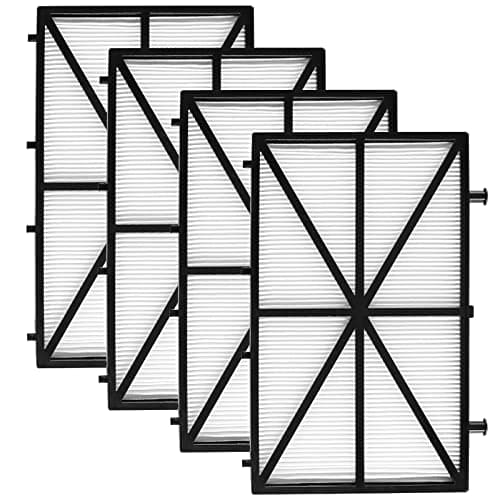
Ultra-Fine Cartridge Filters for Dolphin Nautilus CC Plus (4-pack)

Ultra-Fine Cartridge Filters for Dolphin Nautilus CC Plus (4-pack)

Aftermarket · Aftermarket, listed as compatible

Four so you can rotate during recovery9.0/10
$25.99$29.59· View on Amazon

12% off. Price checked November 6, 2026. #ad How we earn

The picks in full

Aiper Scuba X1 Pro Max

3-micron filtration for recovery

8,500 GPH, 3-micron filtration and a surface-skimming pass in one machine — the strongest published spec sheet on this site, and the only Aiper that handles floating debris.

Spec score

9.8/ 10 — Category-defining on our 8.4–9.8 scale, see the rubric
Debris capacity
9.5
Surface coverage
9.8
Filtration
9.8
Runtime & coverage
9.3
Value for spec
9.2

Published specifications

Suction8,500 GPH(retailer listing)
Filter rating3 micron ultra-fine(retailer listing)
CoverageCleaner and skimmer in one unit(retailer listing)
NavigationPool mapping(retailer listing)
ParkingSmart surface parking(retailer listing)
Pool typeInground(retailer listing)

What works

  • 3-micron filtration is the finest published figure in this category — it is the spec that matters for silt and pollen
  • 8,500 GPH leads every cordless unit here on published suction
  • Skimming plus submerged cleaning removes the need for a second robot
  • Surface parking means you are not fishing it off the floor

What doesn't

  • It is one of the two most expensive machines on this site
  • Inground only — the mass and the mapping are wrong for a soft-sided pool
  • A single all-in-one unit means a single point of failure for both jobs

Who should skip this

Skip this one if you have an above-ground or soft-sided pool, your budget stops short of the top tier, or your debris is coarse leaves where a 3-micron filter is wasted.

Aiper Obsidian

Best value fine filtration

6,600 GPH, 3-micron MicroMesh filtration, a charging dock and 180 minutes — the spec sheet of a flagship at the price of a mid-range unit, and the best value on this site when the discount holds.

Spec score

9.8/ 10 — Category-defining on our 8.4–9.8 scale, see the rubric
Debris capacity
9.3
Surface coverage
9.5
Filtration
9.8
Runtime & coverage
9.5
Value for spec
9.7

Published specifications

Suction6,600 GPH(retailer listing)
Filter rating3 micron MicroMesh(retailer listing)
PowerCordless, 180-minute rated runtime(retailer listing)
ChargingWireless charging dock(retailer listing)
Surfaces cleanedFloor, walls and waterline(retailer listing)
Pool typeInground(retailer listing)

What works

  • 3-micron filtration plus 6,600 GPH is flagship-tier on paper
  • Full floor-wall-waterline coverage, not floor-and-walls
  • 180 minutes covers a large pool without a mid-cycle recharge
  • Charging dock, so no lifting it out between runs

What doesn't

  • A 2026 model with a short public track record — owner reports are thin
  • The listed discount is deep, which means the undiscounted price is not the price to judge it on
  • Inground only

Who should skip this

Skip this one if you want a model with several seasons of owner feedback behind it, or your pool is above-ground.

Dolphin Nautilus CC Plus

Cheapest fine filters to run repeatedly

The default corded robot for a 40-foot inground pool: it climbs walls, it has never needed charging, and Maytronics parts are stocked everywhere — which is why it outlives cordless units.

Spec score

9.5/ 10 — Category-defining on our 8.4–9.8 scale, see the rubric
Debris capacity
9.3
Surface coverage
9.0
Filtration
9.6
Runtime & coverage
9.7
Value for spec
9.3

Published specifications

PowerCorded, mains power supply — no battery(retailer listing)
Rated pool sizeInground pools up to 40 ft in length(retailer listing)
WallsWall-climbing scrubber brush(retailer listing)
ControlWi-Fi app control(retailer listing)
Filter accessTop-load filter cartridges(retailer listing)
Fine filtrationUltra-fine cartridges sold separately(retailer listing)

What works

  • No battery means no battery to degrade — the single biggest cause of a dead cordless robot at year three
  • Ultra-fine cartridges are a $19-26 upgrade, which makes it the cheapest route to real fine filtration
  • Maytronics spares — brushes, tracks, filters, power supplies — are stocked by everyone
  • Top-load filter access means you empty it without turning it over

What doesn't

  • A floating cable in the pool, which tangles on a freeform shape and has to be stowed
  • The power supply needs a dry, shaded, GFCI-protected spot near the pool
  • No waterline pass — that is the CC Supreme

Who should skip this

Skip this one if your pool is freeform or over 40 ft, or you cannot site a power supply within cable reach of the water.

Ultra-Fine Cartridge Filters for Dolphin Nautilus CC Plus (4-pack)

Four so you can rotate during recovery

Four ultra-fine cartridges for about $26 — the single best value upgrade on this entire site, and the reason a corded Dolphin beats most cordless robots on filtration.

Spec score

9.0/ 10 — Outstanding on our 8.4–9.8 scale, see the rubric
Debris capacity
8.9
Surface coverage
8.6
Filtration
9.6
Runtime & coverage
8.6
Value for spec
9.8

Published specifications

Part typeAftermarket, listed as compatible(retailer listing)
Quantity4 cartridges(retailer listing)
FitsDolphin Nautilus CC Plus, M200, M400(retailer listing)
Micron ratingNot published as a figure(not published)

What works

  • Four cartridges means you run two and wash two — the only practical way to use fine filtration
  • Turns a standard CC Plus into a silt and pollen machine for the price of a filter cleaner
  • Cheapest route to fine filtration anywhere in this category

What doesn't

  • Aftermarket, not Maytronics genuine
  • No published micron figure
  • Check the model: these do NOT fit the plain Nautilus CC

Who should skip this

Skip this one if you own the plain Nautilus CC (not the Plus) — the cartridge is a different size.

Our recommendation

Our recommendation9.8/10
Aiper Scuba X1 Pro Max

Aiper Scuba X1 Pro Max

3-micron filtration for recovery

8,500 GPH, 3-micron filtration and a surface-skimming pass in one machine — the strongest published spec sheet on this site, and the only Aiper that handles floating debris.

$1,599.99$2,199.99· See the Scuba X1 Pro Max on Amazon

27% off. Price checked November 6, 2026. #ad How we earn

Runner-up9.8/10
Aiper Obsidian

Aiper Obsidian

Best value fine filtration

6,600 GPH, 3-micron MicroMesh filtration, a charging dock and 180 minutes — the spec sheet of a flagship at the price of a mid-range unit, and the best value on this site when the discount holds.

$799.98$1,399.99· See the Obsidian on Amazon

43% off. Price checked November 6, 2026. #ad How we earn

Questions people actually ask

Do I need to drain my pool to clean it?

Almost never, including for a fully green pool. Remove debris, balance, brush, shock, circulate, then run a fine-filter cleaner as it clears.

Is it bad to drain a pool?

It carries real risks: a vinyl liner can shrink permanently, a shell can float on groundwater and crack, and plaster can craze. It also dumps a lot of treated water.

How long does it take to clear a green pool without draining?

Typically three to seven days of continuous circulation, repeated fine-filter cleaner cycles and filter rinsing between them.

When should you partially drain a pool?

To dilute high cyanuric acid, calcium hardness or total dissolved solids — none of which can be removed chemically. Keep enough water in to maintain pressure on the liner or shell.

Can a robotic cleaner clear a green pool?

Not on its own — algae is killed by chemistry. A robot with a fine filter is what removes the dead algae afterwards, which is the slowest part of the recovery.