Method 1: skim, relentlessly
The highest-return action available without any machine. A flat leaf rake across the surface, daily, removes debris before it sinks — and debris that never sinks never needs vacuuming. Use a flat rake rather than a deep bag net: it shears a wide swathe, while a deep net scoops a small area and pushes leaves under.
Two minutes a day beats twenty minutes a week, because the timing is what matters. The leaf guide covers this in detail.
Method 2: brush toward the drain and let the filter work
With the pump running, brush the floor in sweeping passes toward the main drain. Debris lifted into suspension gets drawn into circulation and caught by your filter. This works genuinely well for light, loose debris and poorly for anything heavy, but it is free and it uses equipment you already have.
Afterwards: check and clean your pump basket and your filter, because everything you just moved is now in them.
Method 3: empty the skimmer baskets more often than you think
A full skimmer basket means your pool’s own surface-collection system has stopped working, and from that point everything sinks. Twice-weekly basket checks materially change how much ends up on the floor. Same for the pump basket.
Method 4: raise and keep the water level up
If the level drops below the skimmer mouth, surface collection stops entirely. This is one of the most common reasons a pool suddenly gets much dirtier for no apparent reason, and it costs nothing to fix.
Method 5: flocculant for suspended fines
For cloudy water — fine suspended particles your filter is not catching — a flocculant clumps the particles so they settle or get filtered. It is a chemical approach to a mechanical problem and it works. Follow the product’s own instructions, and expect to need to remove the settled material afterwards, which brings you back to needing something to collect it from the floor.
Keep chemistry in the ranges the CDC describes while you do this; clarity problems are often chemistry problems in disguise.
Method 6: a cover, which is prevention rather than cleaning
A cover on an unused pool keeps leaves, pollen and airborne grit out, and the Department of Energy notes it also cuts evaporation and heating losses substantially. For a pool that is unused for part of the week, this is the single most effective no-machine intervention there is.
Where no-vacuum methods genuinely stop working
- Fine sand and silt on the floor. Brushing lifts it into suspension and your filter catches only part; the rest resettles. You need something that collects it — see the sand guide.
- Dead algae after a shock treatment. A few microns across. A sand filter takes days; a fine-filter robot takes a cycle.
- A heavy single debris event. After a storm, skimming and brushing is hours of work.
- The waterline. No amount of skimming touches it — it needs a degreaser.
The cheapest machine that fixes the gap
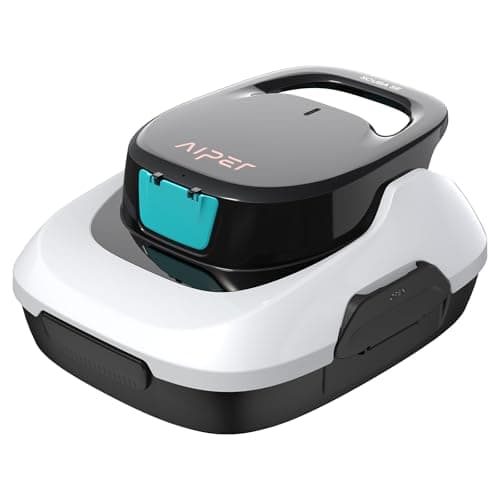
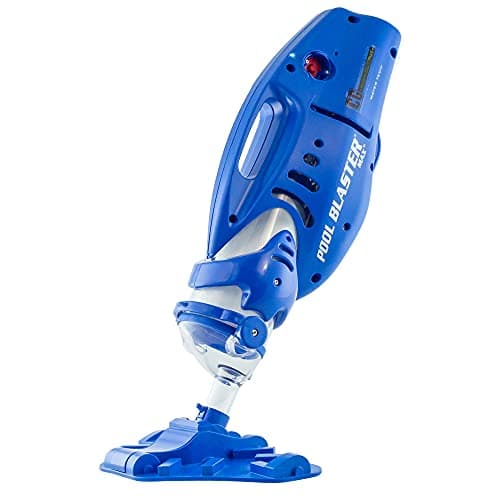
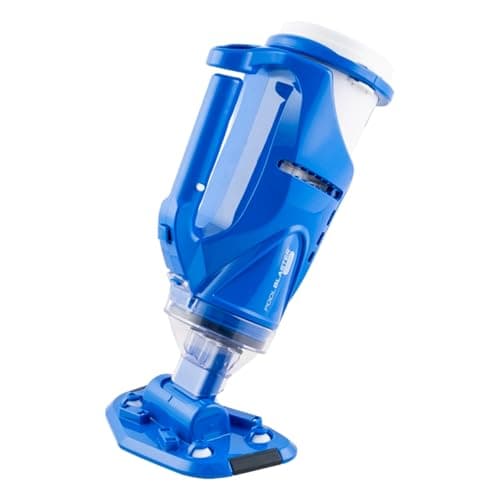
If you are doing all of the above and the floor is still the problem, the honest answer is a cordless handheld vacuum at $120-300 or a budget robot at around $130. Both are less than a season of your time, and the robot does it while you do something else. Robotic versus manual compares them fairly.