Why this matters more than anything else you do
A loaded filter does not simply collect less. It collapses the flow the machine depends on, and that flow does several jobs at once: it carries debris in, and it creates the downforce that holds the robot to the wall. So one blinded filter produces four apparently unrelated symptoms:
- It stops picking things up.
- It stops climbing walls — the single most common complaint.
- It cuts the effective cycle short, because the back half collects nothing.
- It triggers motor-overload errors, because the pump is working against a closed system.
Five minutes with a hose after each cycle prevents all four.
The method
- Do it immediately, while wet. This is the whole trick. Wet debris rinses out; dried debris cements into the mesh and does not come out at all.
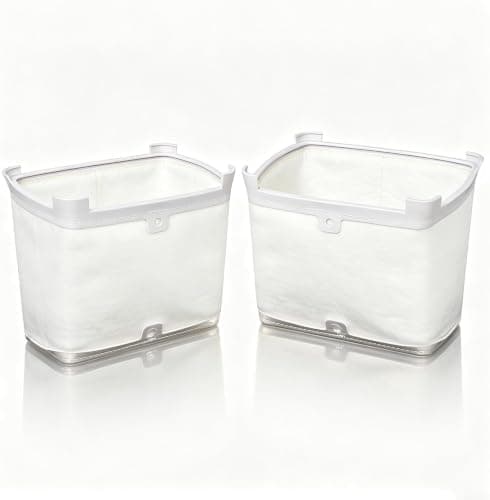
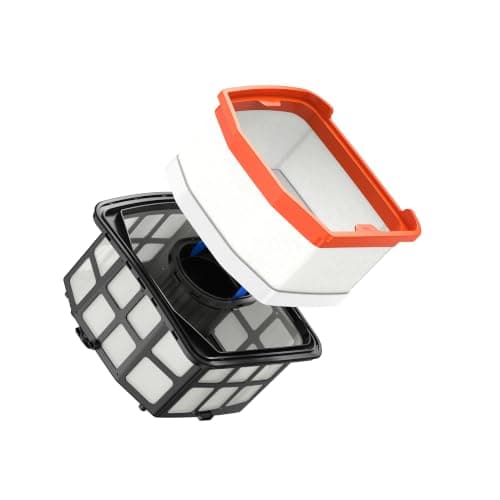
- Empty the bulk by hand. Tip the basket out, or peel the cartridge pack apart over a bin. Do not try to hose out a full basket — you will just drive debris deeper into the mesh.
- Rinse from the clean side. Water should flow in the opposite direction to normal operation, pushing debris back out the way it came. Rinsing from the dirty side forces particles further in.
- Use a garden hose, not a pressure washer. A pressure washer will tear a fine mesh or stretch its weave, and a stretched mesh has permanently lost its micron rating while still looking fine.
- Check the intake and impeller housing while you are there. A leaf plug in the throat is invisible from outside and causes the same symptoms.
- Dry it in the shade before storage. Sun embrittles the plastic frame and the mesh.
The three things that permanently ruin a filter
- Letting debris dry in the mesh. It becomes a cement that no amount of later rinsing removes. The flow loss is permanent.
- A pressure washer. Tears or stretches the mesh. A stretched fine filter quietly reverts to being a coarse filter while appearing intact — so your 3-micron machine is now a 150-micron machine and you have no way of knowing.
- A stiff brush on a fine mesh. Same outcome. A soft brush on a coarse basket is fine; nothing stiff on anything fine.
Chemical cleaners deserve a mention: a soak in a dedicated filter cleaner once a season will shift oils and mineral scale that water alone cannot. Use a product intended for pool filter media, rinse thoroughly, and do not improvise with household chemicals.
Run two, wash two
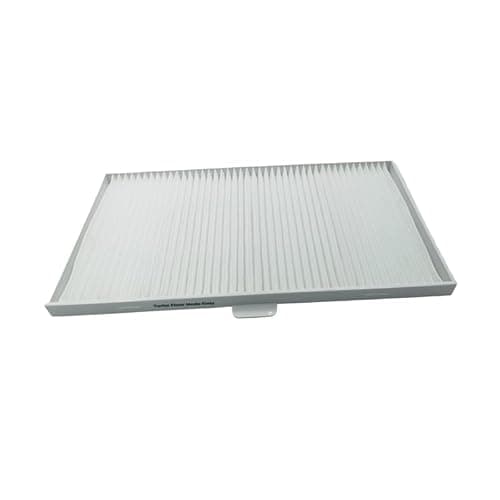
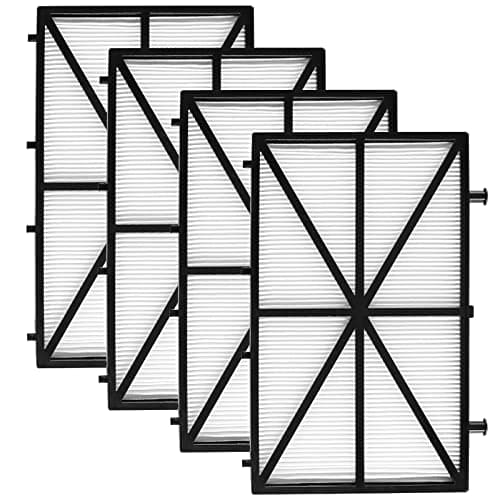
The practical way to use fine filtration is to own two sets: one in the machine, one drying. This is why the Dolphin ultra-fine cartridges being sold as a four-pack for about $26 is such good value — it is the only brand where a rotation is cheap. On machines whose genuine basket is $60-100, most owners run one and accept the compromise. Filters by brand has the prices.
Fine versus coarse: swap seasonally
Most machines take more than one filter grade, and the right one changes through the year.
- Leaf and needle season: coarse. A fine filter blinds in minutes and you lose the suction you need.
- Pollen season and after a shock treatment: fine, rinsed after every single run.
- Sand or silt: fine, with slow cleaning modes. See the sand and silt page.
The filtration explainer covers what the micron numbers actually mean.
When to replace rather than clean
- Visible tears, holes or a separated seam.
- A frame that no longer seats and seal properly — debris then bypasses the mesh entirely.
- Flow that has not recovered after a proper rinse and a seasonal chemical soak. That is embedded debris, and it is permanent.
- A fine mesh that feels slack or stretched. It is no longer the rating on the box.
Filters are consumables. Budget for one a season — $19-26 for a Dolphin four-pack, $20-60 for Aiper, $60-100 for a genuine Beatbot basket.