The rule: frequency beats duration
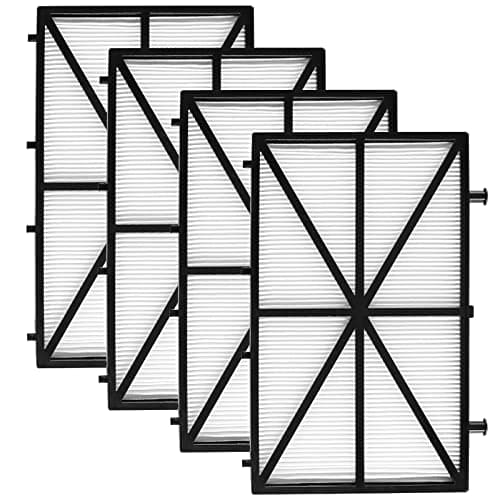
A robot’s debris capacity, not its runtime, is what limits a cycle. Once the basket or cartridge is full, flow collapses and the remaining hour of the cycle collects essentially nothing — the machine is driving around with a plug of wet debris in it.
So two 90-minute cycles with an emptied filter between them remove substantially more than one three-hour cycle. This is the single most useful thing to understand about running a pool robot, and it is why “how often” matters more than “how long”.
A schedule that works
| Conditions | Cycles per week |
|---|
| Swim season, little tree cover, pool covered when unused | 2 |
| Swim season, moderate tree cover, regular use | 3 |
| Heavy leaf or needle fall | Daily, emptying the filter each time |
| After a storm or high wind | Immediately, then again the next day |
| After an algae shock treatment | Daily with a fine filter until the water clears |
| Pollen season | Daily with a fine filter |
| Off-season, pool open but unused | 1, mainly to keep the waterline from establishing |
Why the waterline specifically rewards frequency
The ring at your waterline is a continuously replenished film of body oil, sunscreen and airborne pollen. A pass every cycle stops it establishing; a monthly deep clean resets a problem that rebuilds in a week. If your machine has a waterline pass, running it three times a week will visibly outperform running it once — the waterline roundup covers which machines have one.
Is there such a thing as too often?
Three practical limits, none of them about the pool.
- Battery cycle life. On a cordless machine, every cycle is a charge cycle, and cycle count is what ages a lithium pack. Running daily all season will shorten the pack’s life compared with running twice a week. That is a real cost — but a robot that sits unused is worth nothing, so run it as often as your pool needs.
- Brush and track wear. Proportional to hours run, and more so on a rough pebble finish. Budget for annual brushes if you run it hard.
- Your patience with the filter. Every cycle is a filter empty. This is the honest reason people under-run their robots.
There is no wear mechanism on the pool itself, provided the brush compound suits your surface. On a thin or aged vinyl liner, be more conservative with aggressive wall cycles — see the liner page.
Run it with the pump off
A robot cleans independently, so there is no reason to run your pool pump at the same time — and return-jet flow pushes a light robot off course. Pool pumps are among the largest electrical loads in a home per the Department of Energy, so running them only for circulation and chemistry is where the real saving is. The cost guide works the numbers.
Scheduling, and when not to use it
App and timer scheduling is genuinely useful — and genuinely worth switching off during leaf fall. An unattended cycle fills the filter in the first twenty minutes and then wastes the battery. Schedule in steady conditions; run manually when debris is heavy.