What a first-year pool owner actually lacks
They have bought a pool, and probably a pump, a filter, a net on a pole and a tub of chemicals. What they have not yet discovered is how much time the pool is about to take, and which tools make that number smaller.
Here are the four gaps they will hit, roughly in the order they hit them.
Gap 1: debris sinks before they get to it
Leaves float for a few hours before they waterlog. While floating they are weightless, have stained nothing, and come out with a net in thirty seconds. Once sunk they become a vacuuming job, a tannin stain on the floor, and a load on the filter.
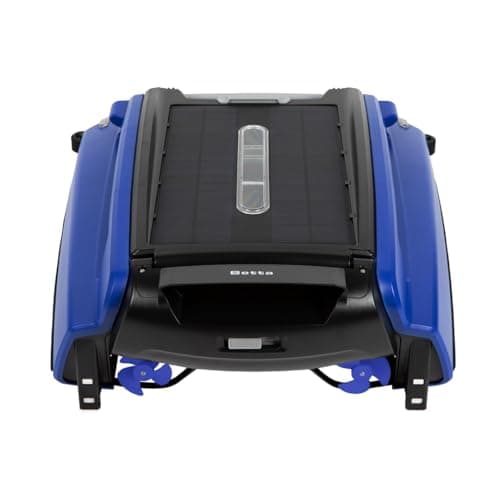
A new owner does not know this, so they skim when the pool looks bad rather than daily — and the pool keeps looking bad. A solar surface skimmer from about $359 works the surface all day at no running cost, and it is the single highest-leverage thing you can give them. The Betta SE is rated for inground and above-ground pools alike; the skimmer roundup compares the three worth buying.
Gap 2: the robot is annoying to use, so it does not get used
If they have a robotic cleaner, within a month they will be tired of lifting a wet 20-30 pound machine out of the water, carrying it somewhere, and carrying it back. That is the chore that quietly ends the habit — and a robot that runs monthly instead of three times a week removes a fraction of the debris.
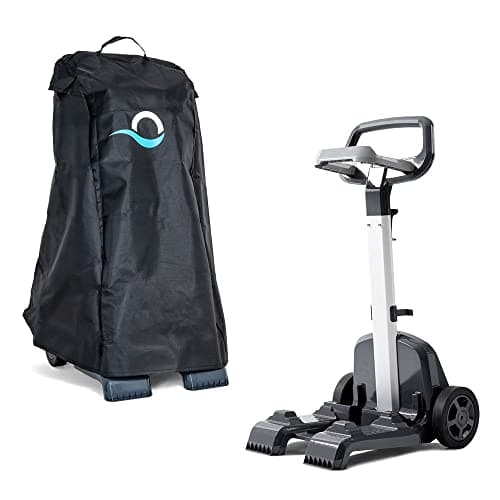
A universal caddy with a cover, about $119, fits any brand. The cover matters as much as the cart: UV ages the shell, cable and seals faster than chlorine does, and seal failure is the one fault that kills a robot outright. Why the cover is the real value.
Gap 3: nobody told them about spot cleaning
Robots do not clean steps, benches, behind ladders, or a defined patch of sand in a corner. New owners assume the robot handles everything and get frustrated when it does not.
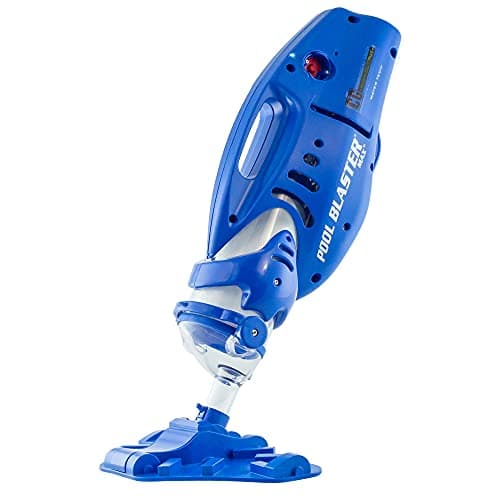
A cordless hoseless hand vacuum (the Pool Blaster Max CG, about $300, with a 12.75-inch head) handles exactly those jobs in two minutes with no setup. It is the tool experienced owners all have and new owners have never heard of — the handheld roundup covers it.
Gap 4: they bought the wrong size, or no robot at all
If they have no automatic cleaner yet, this is the big one. Before buying one as a gift you need their pool’s approximate size and whether it is inground or above-ground — because every robot publishes a rated pool area, and one rated too small never finishes a cycle.
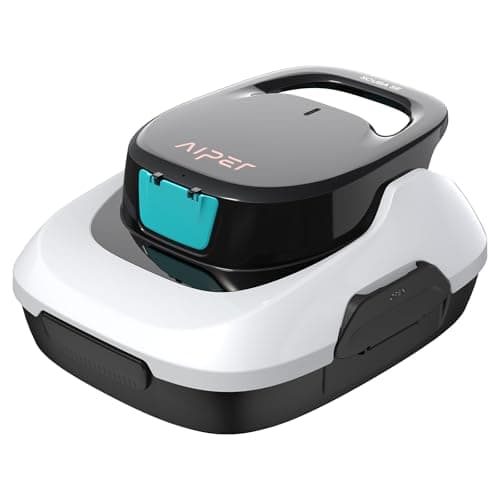
- Above-ground, up to about 860 sq ft: the Aiper Scuba SE, under $150. A genuine cordless robot, floor only, light enough to lift over a pool wall one-handed — the above-ground roundup has the field.
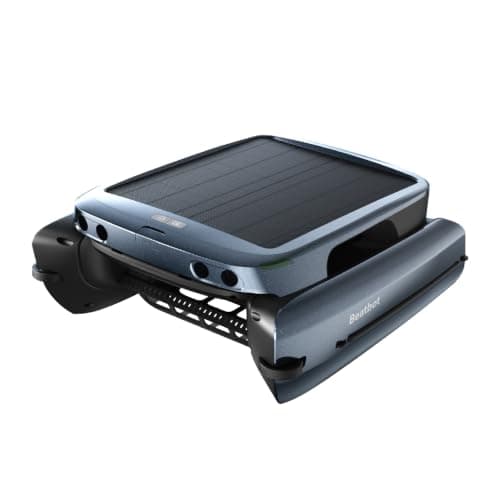
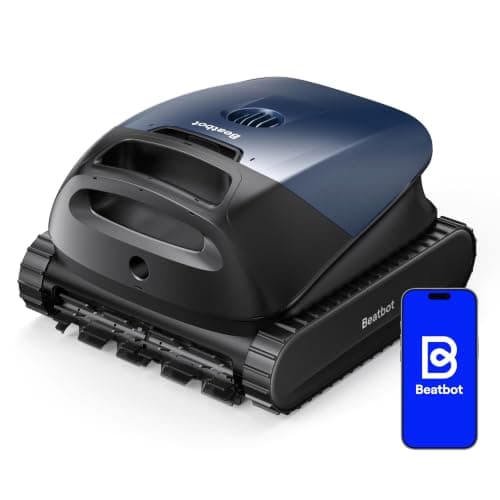
- Inground, under about 1,600 sq ft: the Beatbot Sora 10, under $500. 6,800 GPH, a 5-liter basket, five hours of runtime.
Three things to tell them, which cost nothing
Worth passing on with the gift, because none of it is obvious and all of it saves money:
- Rinse the robot’s filter after every cycle, while it is wet. Dried debris cements into the mesh permanently, and a blinded filter is why a robot stops picking up and stops climbing walls — the method matters.
- Run it more often for shorter periods. Once the basket is full the rest of the cycle collects nothing, so two short runs beat one long one — the scheduling guide.
- Store a cordless battery at half charge, indoors, over winter. A pack left flat in a cold garage often will not accept a charge in spring, and there is no home fix. This is the most expensive avoidable mistake in cordless pool robotics.
What not to buy a new pool owner
- Chemicals. Local water, their sanitizer system, their preferences. It sounds thoughtful and it is not.
- A pressure-side cleaner. It needs a booster pump plumbed in. A new owner almost certainly does not have one.
- A flagship robot without knowing the pool’s shape. Camera mapping and debris detection earn their price on freeform and multi-level pools and earn nothing on a rectangle — shape is the second gate.
- A spa vacuum for a full-size pool. The most common mistake in the handheld category.